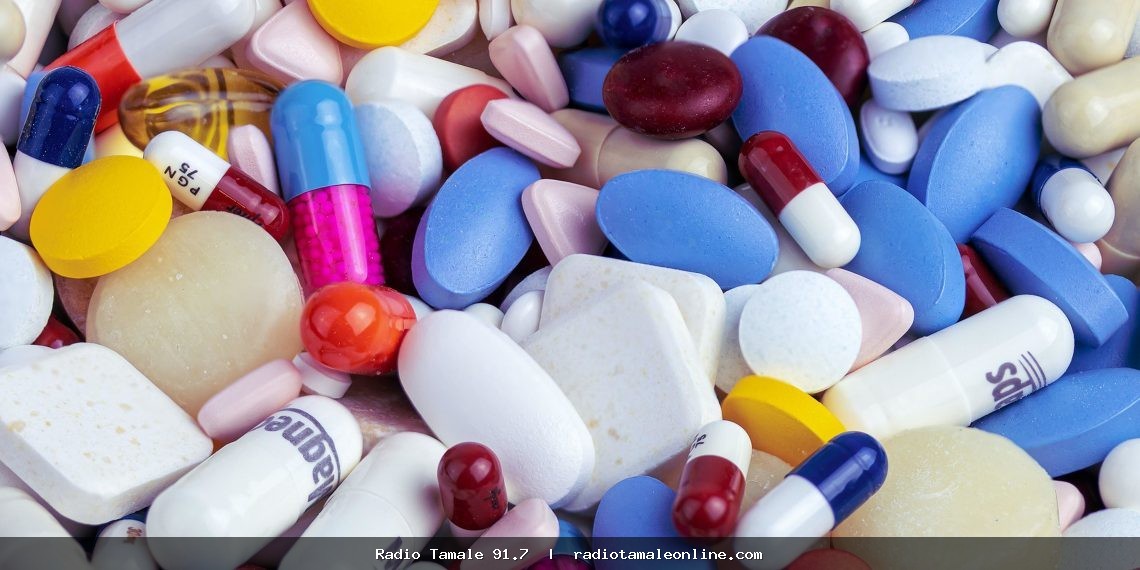
Ghana is set to establish a pharmaceutical industrial park to attract local and international manufacturers and strengthen domestic production of medicines, medical devices and other health-related products.
The project, being developed under the government’s 24-Hour Economy initiative, is expected to create an integrated ecosystem for pharmaceutical manufacturing, medical device production, herbal medicine, research and development and other related industries.
She said the proposed park would address some of the major constraints facing manufacturers and entrepreneurs, particularly access to land and reliable infrastructure.
“We are not just building a factory; we are building an ecosystem,” she said, explaining that the park would provide roads, electricity, water, wastewater and effluent treatment facilities required for pharmaceutical production.
Ms Abbah-Foli said about 2,000 acres of land had been identified in the Shai-Osudoku District for the project, with pre-feasibility studies already completed.
According to her, the project already has an anchor investor and a pipeline of potential tenants, including existing pharmaceutical manufacturers in Ghana and international companies from India, China and the United States.
She added that Ghanaian health professionals in the diaspora had also expressed interest in the project.
Ms Abbah-Foli said project development activities were expected to be completed by the end of the year, after which a full feasibility study, detailed design and master planning would be undertaken.
She said the development would also include a township and housing facilities for workers, with an ambition to support up to 20,000 people within its first five years of operation.
Reducing import dependence
The Head of Project Development said the initiative was partly driven by Ghana’s dependence on imported pharmaceutical products, noting that the country currently imports about 70 per cent of its pharmaceutical needs.
She said Ghana also imports most of the active pharmaceutical ingredients and excipients used in local pharmaceutical production.
“The goal is to ensure that we build a park that will cater for the whole value chain,” she said, adding that the initiative would help Ghana become more self-sufficient in producing essential medicines and health products.
She said the project would also strengthen Ghana’s resilience against future health emergencies such as the COVID-19 pandemic.
Ms Abbah-Foli said Ghana’s changing disease burden, including the increasing prevalence of non-communicable diseases such as stroke and diabetes, made domestic pharmaceutical production even more important.
She said attracting manufacturers to produce medicines for such conditions locally would reduce dependence on imports and, in the long term, help ease pressure on the national health bill.
Land acquisition
Ms Abbah-Foli identified land acquisition as one of the potential challenges to the project but said the 24-Hour Economy programme had introduced a participatory land acquisition model.
Under the model, traditional authorities and land-owning communities would be encouraged to become shareholders in the project and benefit through dividends and rental income.
She said the approach would ensure that host communities became active participants in the development and benefited directly from the economic opportunities it created.
Health manufacturing
Ms Abbah-Foli said Ghana needed to look beyond healthcare delivery and focus on the entire health value chain, including the local production of medicines, medical equipment, supplies and health technologies.
She said Ghana offered significant opportunities for investors, manufacturers, medical technology companies and research institutions seeking a destination for production, research, innovation and technology transfer.
She urged stakeholders to position Ghana not merely as a market for health products but as a centre for manufacturing, research, innovation and technology development.
The summit brought together stakeholders from Ghana, China and other parts of West Africa to explore opportunities in medical and health industry development, artificial intelligence, technology transfer, investment and project cooperation.
Speakers said stronger collaboration among government, industry, academia, research institutions and international investors would be critical to building a competitive health manufacturing sector capable of creating jobs, generating economic value and improving Ghana’s health security.











0 Comments