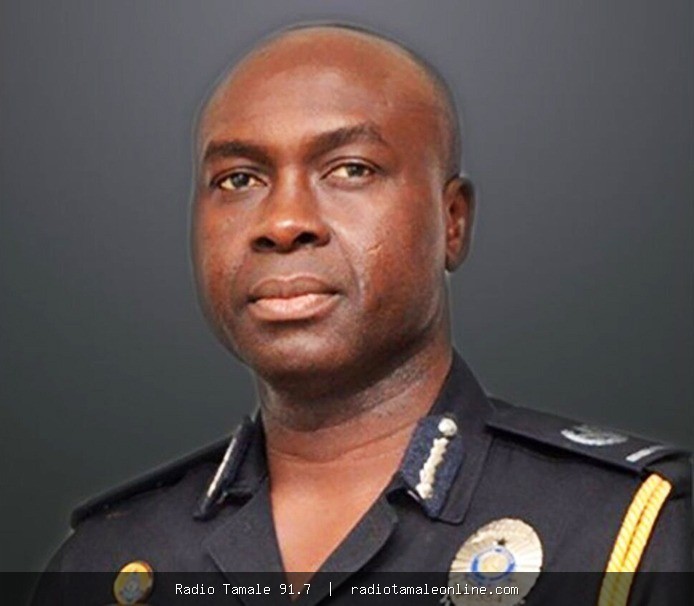
The National Security Secretariat has raised concerns over the early recruitment and mobilisation of groups that could be used for political violence ahead of Ghana’s 2028 general elections.
National Security Coordinator, COP Osman Abdul Razak, said the security agencies’ early warning systems had already flagged signs of mobilisation, making it necessary for preventive measures to begin well ahead of the election period.
According to him, recruitment into groups that could be used for political violence typically begins months before elections, and waiting until political parties officially begin their campaigns could leave security agencies managing violence rather than preventing it.
“It is easier to prevent political violence before the main event, that is, elections. By the time campaign rallies are underway in earnest, we are managing containment rather than genuine prevention,” he said.
He said security agencies must therefore move beyond a reactive approach and begin intelligence-led prevention long before the campaign period.
“Our early warning systems have already flagged this. We cannot go to sleep; we have to keep ourselves on our toes,” he stated.
COP Abdul Razak proposed that intelligence mapping and stakeholder engagement should begin 12 to 18 months before elections, while youth engagement and civic education should take place between nine and 12 months before the polls.
He further called for active monitoring of political mobilisation at least six months before elections, followed by targeted preventive operations during the campaign period.
He was speaking during an assessment of the implementation of the Vigilantism and Related Offences Act, 2019 (Act 999), which was enacted to tackle political vigilantism and related forms of violence.
According to him, although Ghana has recorded relative discipline in election-related security since the passage of the law, the reduced visibility of organised vigilante groups should not be mistaken for their complete eradication.
He disclosed that some groups were rebranding themselves as internal security teams, volunteer task forces or community security initiatives, while others had dissolved into less-visible networks.
“Mobilisation has moved online on social media, encrypted chats, local disputes, private security arrangements or other informal channels,” he said.
The National Security Coordinator therefore called for stronger intelligence gathering and coordination among security agencies to identify emerging threats before they develop into organised political violence.
He also stressed the need for enforcement of Act 999 to remain neutral, evidence-based and free from political interference, warning that selective or delayed enforcement could undermine public confidence in the law.







0 Comments