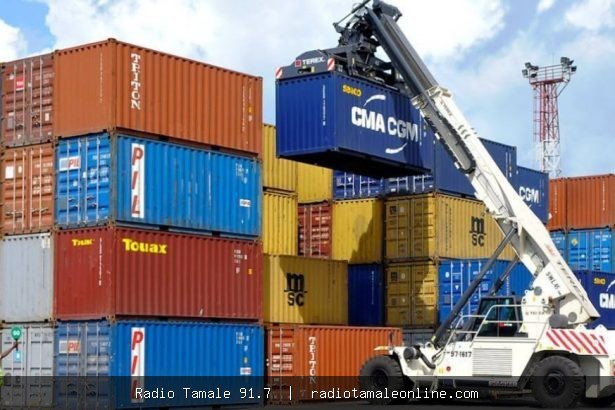
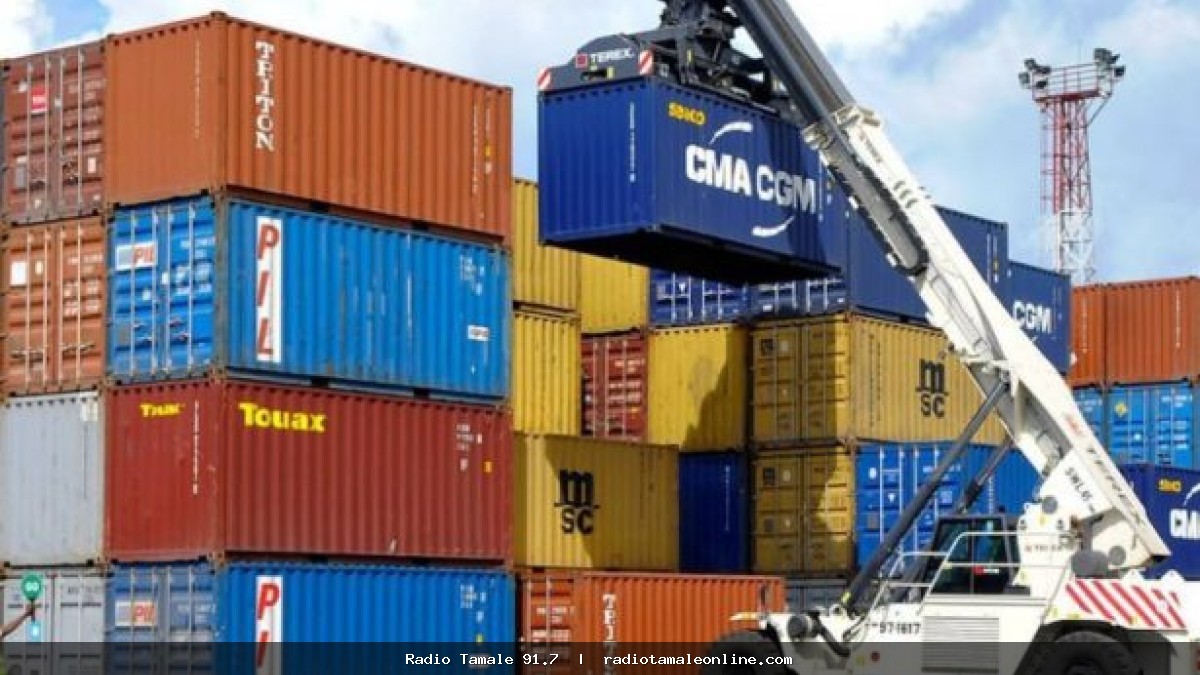
The alleged disappearance and diversion of containers from the Tema Port have raised a series of questions over the status of the consignments, their movement to the Kpone Utility Terminal (KUT), and the possible involvement of officials and other influential persons.
The Herald understands that the number of containers reported missing has risen significantly as more importers and clearing agents come forward with complaints, with one account putting the figure as high as 210.
Among the key questions being raised is whether it is a coincidence that the containers reported missing were on the Uncleared Cargo List (UCL).
Questions have also been raised over why some of the containers were allegedly sent empty to the Kpone Utility Terminal, a facility owned and managed by the Ghana Ports and Harbours Authority (GPHA) and primarily intended for the handling of transit cargo.
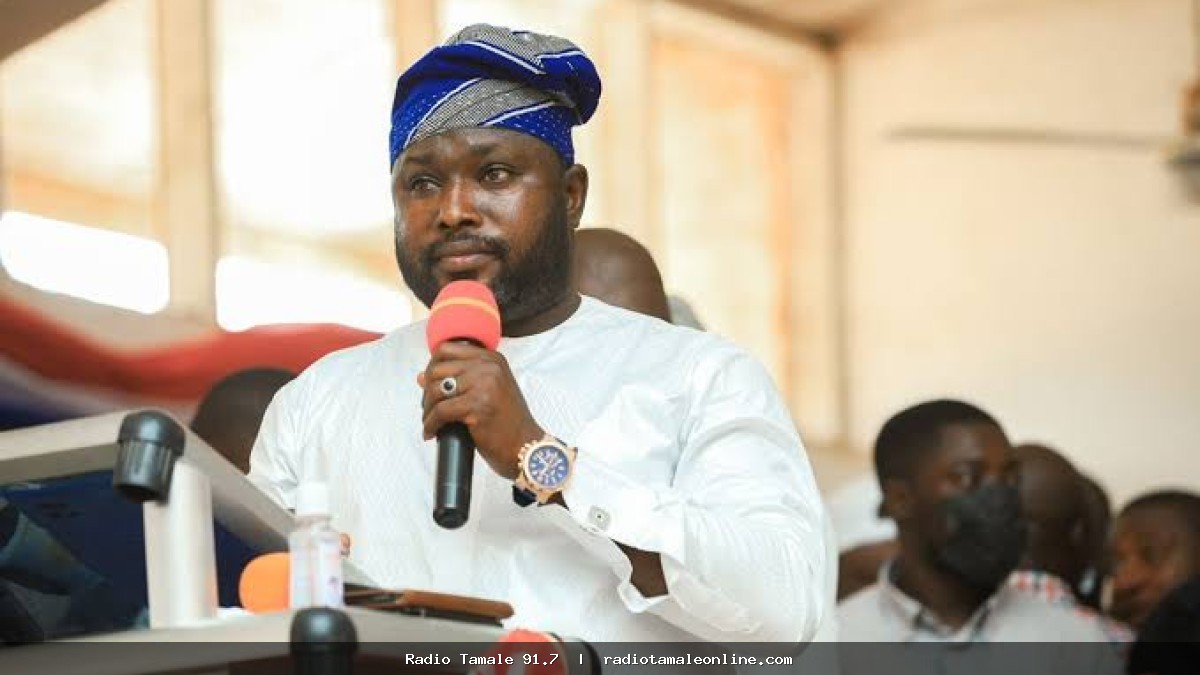
Another issue under scrutiny is an allegation that Prince Awudu, identified by some importers and clearing agents as the Head or Chairman of the Confiscated Assets Committee, has been mentioned in connection with the missing containers. Mr Awudu has denied the allegation in a brief interaction with The Herald.
The Herald has also learnt that some persons arrested in connection with the disappearance of containers reportedly told investigators that the Confiscated Assets Committee was the entity that sent them to move some of the containers.
Those claims have not been independently established, and it remains unclear whether the committee or any of its officials authorized the movement of the containers.
The matter came to wider attention following a high-level meeting at the Ghana Revenue Authority (GRA) headquarters in Accra on Saturday, September 26, 2026.
The meeting was attended by GRA Commissioner-General Anthony Sarpong, Acting Commissioner of Customs Aaron Kanor, Acting Deputy Commissioner in charge of Operations Theresa Potakey, and Acting Deputy Commissioner in charge of Post Clearance Audit Alphonse Quainoo.
The meeting followed reports of containers allegedly being removed from the Tema Port, with investigations underway to establish the precise number of containers involved, the value of the goods, and any revenue potentially lost to the state.
During the meeting, a clearing agent, identified as Ibrahim, who represents an importer, reportedly told officials that about 150 containers belonging to his client could not be traced.
According to information presented at the meeting, the containers contained goods including ethanol, textiles and tomato paste, with a substantial portion of the consignments reportedly destined for Burkina Faso.
Ibrahim was subsequently asked to return to the GRA Headquarters on Monday, September 28, to formally lodge a petition concerning the missing consignments.
The Herald understands that the GRA and Customs have yet to establish the total number of containers allegedly missing from the port, as other clearing agents and importers have also reportedly lodged complaints.
Among those who have raised concerns with Customs are clearing agents identified as Zongo and Blay. Zongo is reportedly seeking to account for about 60 containers, an increase from an initial 16 containers reported as missing.
Initial reports had suggested that approximately 25 containers had been removed from the port. However, information emerging from the investigations indicates that the number could be considerably higher.
People familiar with the investigations have told The Herald that the containers involved allegedly carried a wide range of goods, including cyanide, sardines, rice, ethanol, tinned tomatoes, condensed milk, black pepper and wax prints destined for the Sahel region.
Some of the consignments were intended for Burkina Faso and other landlocked countries that depend heavily on the Tema Port as a gateway for international trade. The disappearance of the containers has, therefore, raised concerns not only about potential revenue losses but also about Ghana’s reputation as a secure transit corridor.
There are also concerns about the possible implications for insurance companies underwriting cargo passing through the port, as well as the diplomatic and commercial implications for Ghana’s relations with neighbouring landlocked countries.
The circumstances surrounding the arrest and subsequent release of some suspects have also come under scrutiny.
According to information available to The Herald, some persons arrested in connection with the alleged removal of the containers initially told investigators that Prince Awudu had instructed them to move some of the containers to Kpone.
They allegedly further told investigators that the contents of other containers were to be emptied and sold, with the proceeds subsequently taken to his office. However, the accounts reportedly changed during questioning.
These allegations remain subject to investigation, and no conclusion can properly be drawn about the culpability of any individual until the relevant evidence has been independently established.
Questions have also been raised about who secured the release of some of the suspects from the Harbour Police Station and whether any influential persons intervened.
There are further questions about the alleged role of the Regional Police Commander in the release of the arrested persons and whether there was any official justification for such intervention.
The circumstances surrounding the seizure of vehicles in connection with the investigation are also attracting attention. It is alleged that some of the vehicles were released twice on the same night.
The claims have raised questions about who authorized their release, the circumstances under which the vehicles were released, and their current whereabouts.
The authorities are expected to establish whether the releases followed established procedures and whether proper documentation exists for the decisions taken.
The controversy has also attracted public commentary from NPP activist PK Sarpong, who, in a Facebook post, named some individuals he alleged were involved in the disappearance of containers at the Tema Port.
Mr Sarpong described the situation at the port as a serious security and accountability concern and called for a transparent investigation.
He specifically mentioned Isaac Klu, whom he identified as a manager, and Asaliga Akazire Raynold, alleging that the two officers played key roles in what he described as an organized operation involving containers that allegedly disappeared after entering the port.
Mr. Sarpong questioned how containers could disappear from a supposedly secure port, who facilitated their movement, who benefited, and how long the alleged operation had been underway.
He called for an independent parliamentary investigation and urged the relevant authorities to subject container-tracking systems, records and cargo movements to scrutiny.
The allegations made by Mr Sarpong have not been independently verified, and the individuals named have not been established by The Herald to have committed any wrongdoing.
There are also competing claims surrounding the clearing agents who have reported missing consignments. Some persons have alleged that Zongo, Blay and Ibrahim are fronts for a Burkinabe cartel operating at the Tema Port.
Sources opposed to the complaints have alleged that the reports of missing containers are part of an attempt to undermine measures introduced by the current administration to tighten controls over transit and uncleared cargo.
They claim that the complaints are intended to create pressure on the Mahama administration to reverse those measures and to enable an alleged network of operators from Burkina Faso to resume criminal activities at the port.
The growing number of allegations and counter-allegations has intensified calls for a comprehensive investigation into the alleged disappearance and diversion of containers.
Such an investigation would need to establish the complete chain of custody of each missing container from the time it entered the port, through customs clearance and terminal movements, to its last recorded location.
It would also need to establish who authorized each movement, which officials or private actors handled the consignments, why some containers were reportedly moved to KUT, and whether the movements complied with established procedures.
The investigation would further need to examine the circumstances surrounding the arrest and release of suspects, the alleged release of seized vehicles, and any instructions issued by officials or committees responsible for the management of uncleared or confiscated cargo.
Given the strategic importance of the Tema Port to Ghana’s economy and its role as a major transit gateway for Burkina Faso and other Sahelian countries, the authorities face the task of establishing the facts and making the findings available to the public.
Until the investigations are completed, the allegations against named individuals and institutions remain allegations.
What is increasingly clear, however, is the need to establish precisely what happened to the missing containers, how they were moved, who authorized their movement, and whether any individuals or institutions facilitated their disappearance.

0 Comments