
The Ministry of Local Government, Chieftaincy and Religious Affairs has announced a nationwide performance evaluation of all 261 Metropolitan, Municipal and District Chief Executives (MMDCEs) to assess their performance in office and determine citizens’ perceptions of their leadership and service delivery.
The exercise, being undertaken on the instructions of President John Dramani Mahama, is expected to provide a comprehensive, independent and evidence-based assessment of the performance of local government executives across the country.
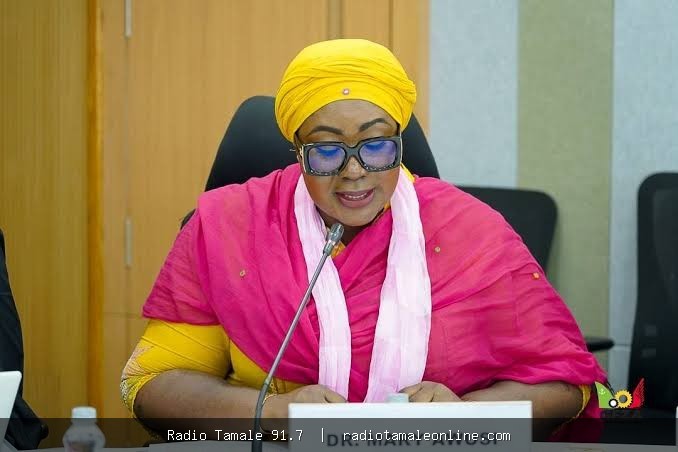
In a press release dated November 17, 2026, and signed by the sector Minister, Hon. Mahama Ayariga, the Ministry disclosed that the evaluation would commence immediately and conclude on December 15, 2026, with the final report scheduled to be submitted to the President by December 20 for consideration and further action.
The assessment will be guided by six key performance indicators (KPIs), with varying weightings designed to measure the effectiveness of MMDCEs in delivering on their mandates.
The indicators include Revenue Mobilisation and Financial Management, which accounts for 20 per cent, focusing on internally generated funds (IGF) and the timely submission of accounts relating to District Assembly Common Funds.
General Development, Local Economic Development, Service Delivery and Poverty Eradication carries the highest weighting of 35 per cent. It will assess the utilisation of Common Funds, sanitation and waste management, road and drainage infrastructure, markets, lorry parks, schools, CHPS compounds, job creation and the implementation of social intervention programmes.
Peace, Security and Chieftaincy Relations account for 15 per cent, with emphasis on relationships with traditional authorities, queen mothers, imams and pastors, the resolution of chieftaincy and land disputes, and the effective management of District Security Council (DISEC) meetings.
Governance and Accountability also carries a 15 per cent weighting and will examine the conduct of General Assembly meetings, the functionality of sub-committees and area councils, implementation of approved development programmes, and compliance with procurement and public financial management laws.
Citizen Engagement and Inclusiveness, representing 10 per cent, will measure public participation through town hall meetings, engagement with youth, women and persons with disabilities, live broadcasts of Assembly meetings, and responsiveness to public petitions and complaints.
The final indicator, Presidential Directives and National Programmes, accounts for five per cent and will assess the implementation of presidential directives and flagship national programmes, including housing, sanitation and the 24-Hour Economy initiative.
Independent Assessment and Verification
According to the Ministry, the evaluation will be conducted by an Independent Evaluation Team comprising representatives from the Ministry of Local Government, Chieftaincy and Religious Affairs and Regional Coordinating Councils, which will lead the exercise.
Other institutions expected to participate include the Office of the Head of the Local Government Service, the District Assemblies Common Fund Secretariat and the National Development Planning Commission.
The team will also include two additional individuals nominated by the Minister from the relevant region or district.
The evaluation will adopt a four-pronged methodology involving self-assessment, field verification, citizen scorecards and confidential peer reviews.
Under the self-assessment component, all MMDCEs are required to submit performance reports, supported by evidence, through a dedicated online portal by November 30, 2026.
Field verification teams will subsequently visit all 261 districts between December 1 and 15 to authenticate claims, inspect development projects and infrastructure, examine accounts, and engage Assembly Members, traditional authorities and ordinary citizens.
The exercise will also incorporate citizen scorecards, through which residents in each district will be invited to assess the performance of their respective MMDCEs via a dedicated online platform.
Additionally, confidential assessments may be sought from intelligence agencies, Presiding Members and District Coordinating Directors as part of the independent peer-review process.
The Ministry says the exercise is intended to provide the President with an objective assessment of local government performance, strengthen accountability and improve the delivery of development programmes at the grassroots level.
The final report is expected to be presented to President Mahama on December 20, 2026, for his consideration and appropriate action.
The nationwide exercise marks a significant accountability initiative within Ghana's decentralised governance system, placing the performance of all 261 MMDCEs under a common evaluation framework that combines institutional assessments, field evidence and citizens' perspectives.
Report By: Robicon Mornahson




0 Comments