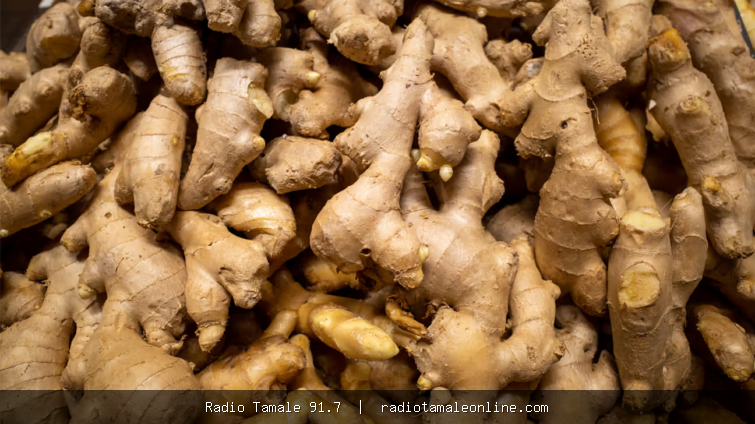
Ghana’s latest inflation report has revealed a sharply mixed price picture, with some household items recording steep increases while some food staples and vegetables saw significant declines.
According to the Ghana Statistical Service’s June 2026 inflation report, ginger was the biggest price gainer among the top 10 high-inflation items, surging by 102.5% year-on-year. It was followed by shrimps at 90.8%, mangoes at 87.2%, and bananas at 47.8%.
Other items that recorded strong price increases included avocado pear (43.8%), fresh coconut (39.3%), palm fruits (37.8%), rake (34.1%), cashew (29.2%), and dried fish (Koobi).
At the same time, several common food items posted notable declines in prices. Kontomire/Afefu led the list of low-inflation items with a fall of 38.0%, while garden eggs dropped by 33.1%. Maize fell by 32.1%, millet by 23.0%, and pawpaw by 22.4%.
Other items that eased in price were beans (-21.3%), guinea corn/sorghum (-19.3%), lime (-18.3%), foreign apples (-17.5%), and solid fuels such as firewood (-16.6%).
The report also identified the key items pushing inflation higher in June. Bus and trotro fares were the biggest contributor, accounting for 10.5% of inflation pressures, followed by payment for rents (8.4%) and secondary school fees (7.2%).
Food items also played a major role in driving prices, including ginger (7.0%), fish (river) (6.6%), cooked rice (5.3%), fresh tomatoes (5.2%), yam (5.1%), hotel accommodation (4.9%), and green plantain (3.8%).
The figures show that while some food crops are becoming cheaper, transport, housing, education, and select food items continue to exert pressure on household budgets. The report points to a price environment where consumers may be feeling relief at the market for some products but still face rising costs in essential services and high-demand foods.











0 Comments