Public opposition to state funding of political parties in Ghana is largely driven by limited awareness of how such a system could strengthen democratic governance and reduce the influence of wealthy private interests, the Ghana Center for Democratic Development (CDD-Ghana) has said.
Speaking at a Media workshop in Tamale on Regulating Political Party Financing, CDD-Ghana’s Director of Programmes and Operations, Fredrick Adu-Gyamfi, said many Ghanaians are reluctant to support the idea of using public funds for political parties at a time when citizens are demanding better roads, schools, healthcare, jobs and other basic services.
He argued that a well-designed public financing system could help political parties build stronger structures, operate more transparently and reduce dependence on wealthy individuals and private financiers.
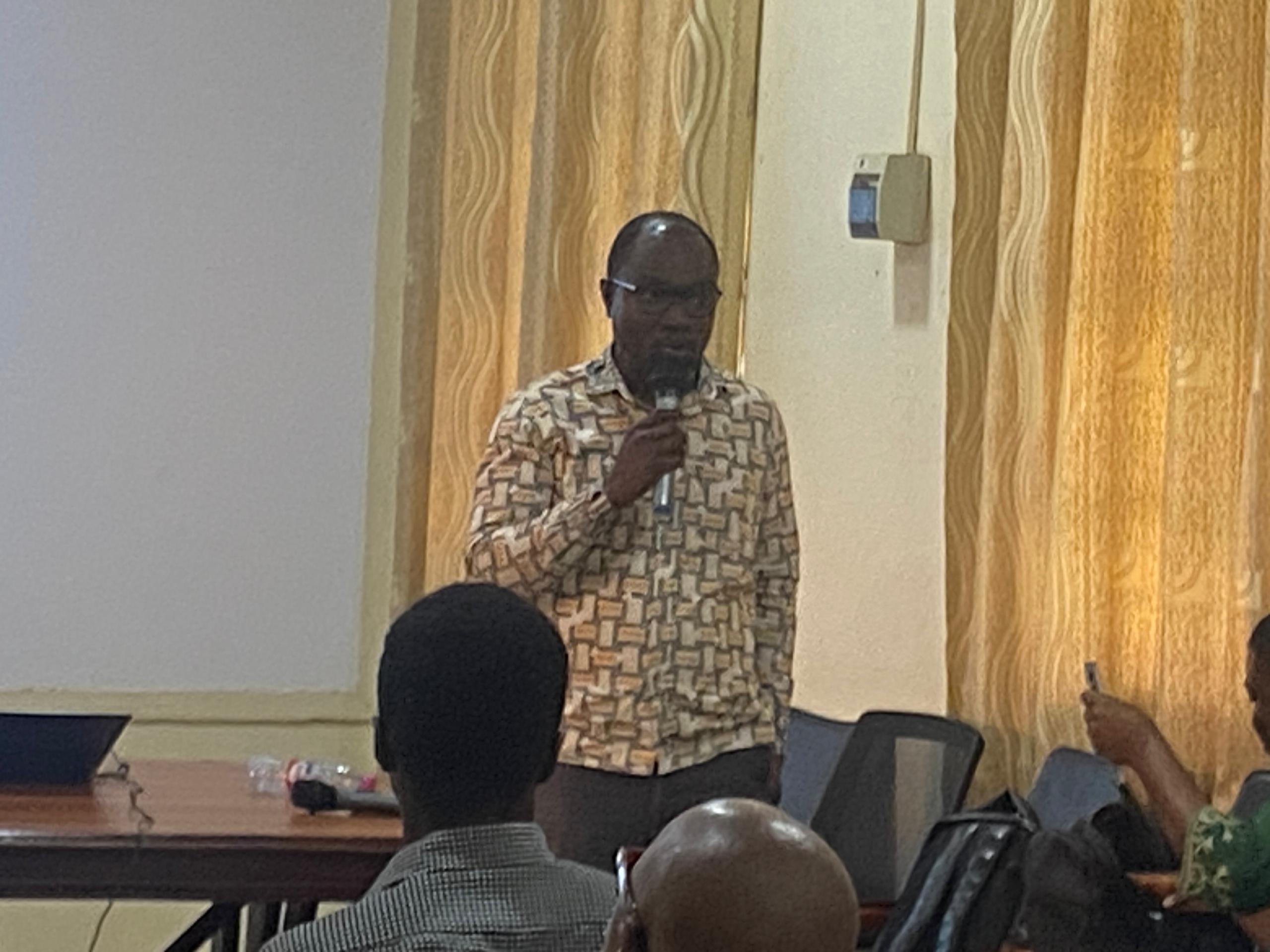
Political parties, he said, are central to Ghana’s democracy, but many struggle to find sustainable funding outside election periods. That, he warned, often leaves them reliant on a few affluent backers, creating opportunities for undue influence and weakening internal accountability.
Mr Adu-Gyamfi said recent studies show campaign spending has risen sharply in successive election cycles, fuelling the monetisation of politics and making it harder for capable but less-resourced citizens to enter public life.
He said the trend also increases opacity, weakens accountability and raises the risk of corruption.
Although Article 55 of the 1992 Constitution and the Political Parties Act, 2000, provide a legal basis for regulating political financing, he said enforcement remains weak. Gaps in donation disclosure, spending limits and contribution ceilings, he added, have limited the effectiveness of the framework.
Media’s watchdog role
The workshop also turned attention to the role of the media in exposing political finance practices and holding leaders accountable.
Prof Eliasu Mumuni, a Senior Lecturer at the University for Development Studies, urged journalists to deepen their research on national issues so they can better explain complex topics to ordinary Ghanaians.
He encouraged media practitioners to make use of laws such as the Right to Information Act to obtain details on political spending, especially during election seasons when campaign expenditure peaks.
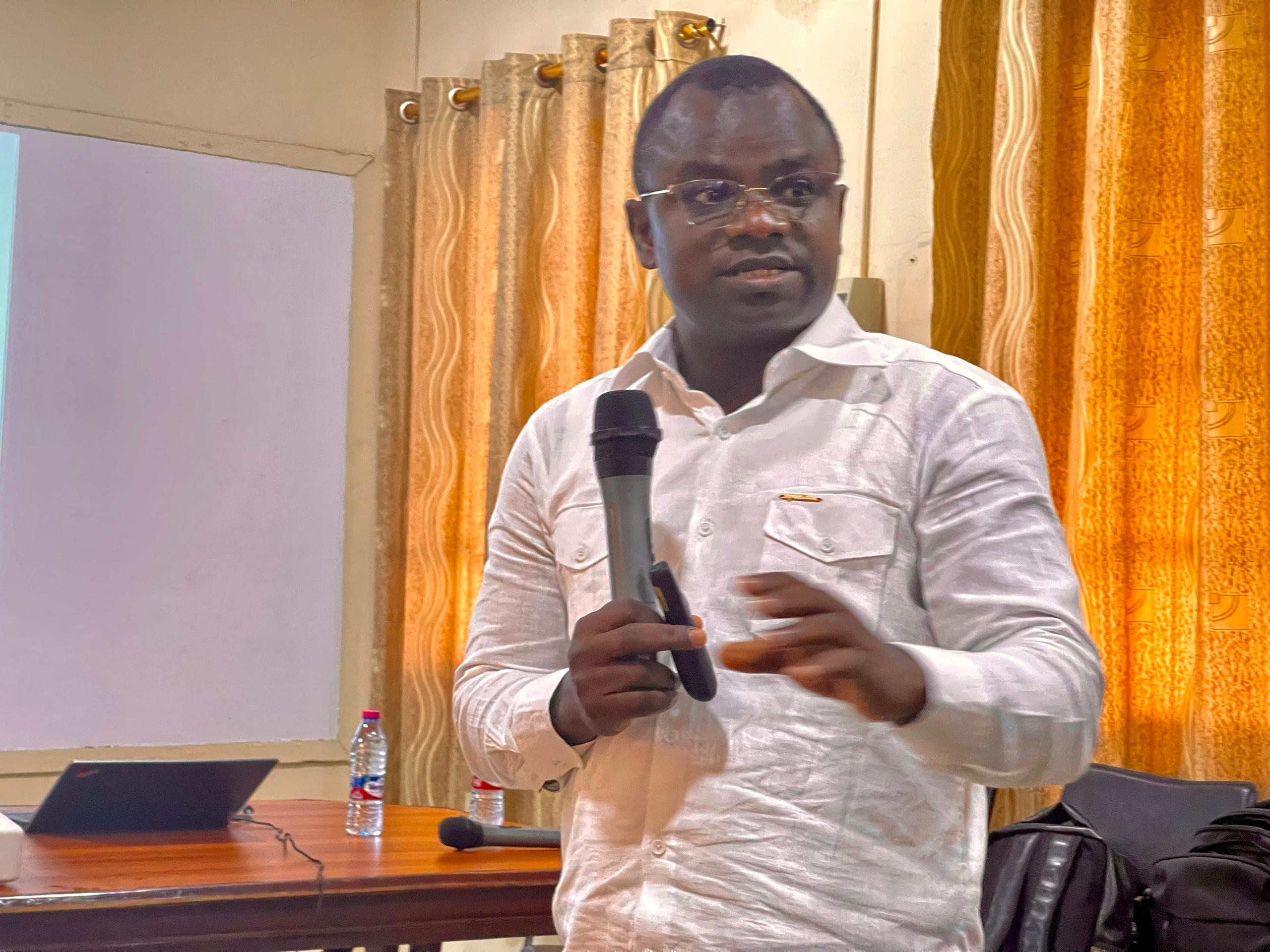
Prof Mumuni also said proper remuneration and better working conditions are essential if journalists are to work independently, ethically and without undue influence.
The discussions come as Ghana continues to debate reforms aimed at strengthening democracy, improving political party governance and limiting the growing role of money in elections.
By Blessed EDUAMOAH DADZIE
0 Comments