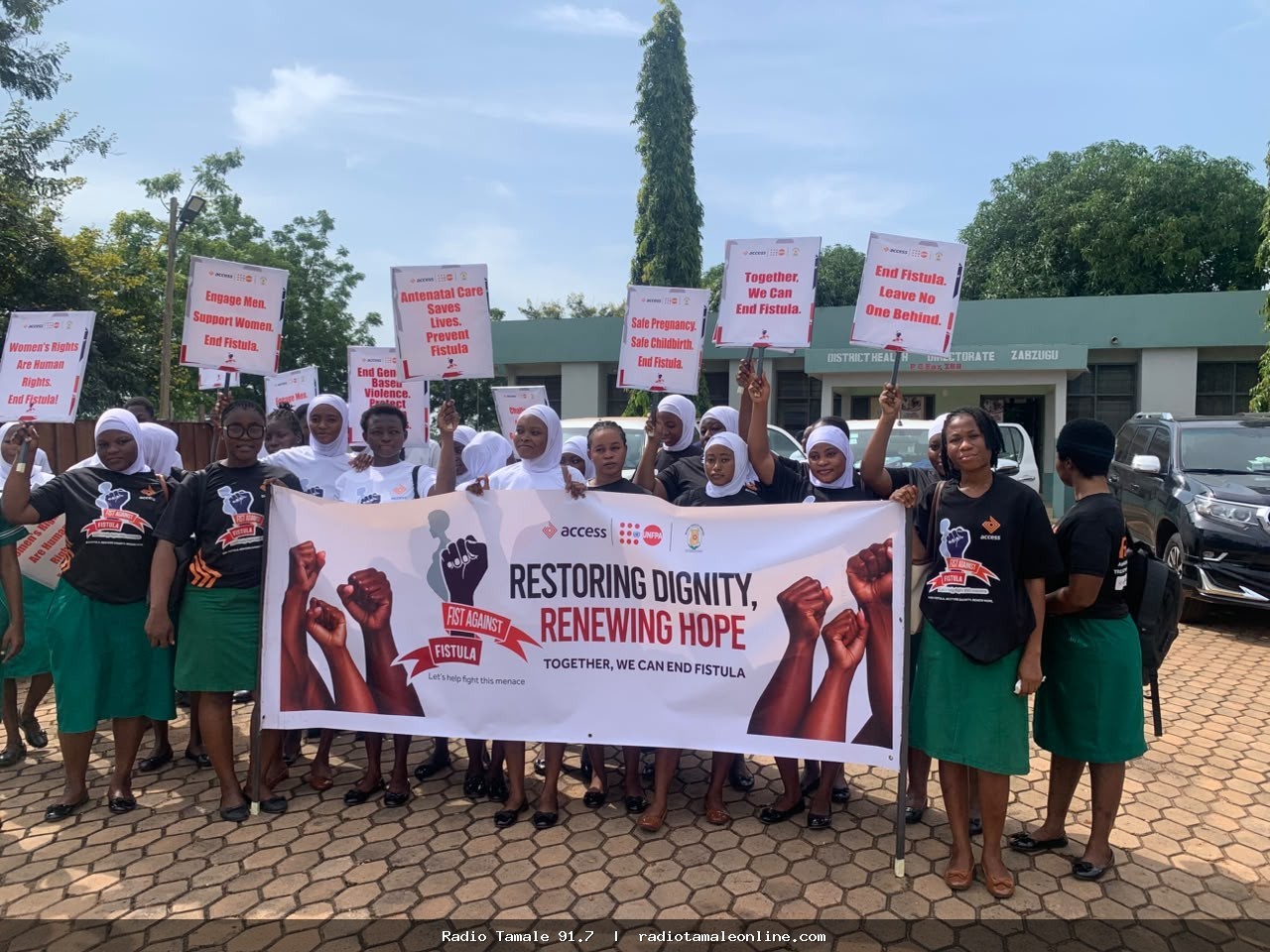
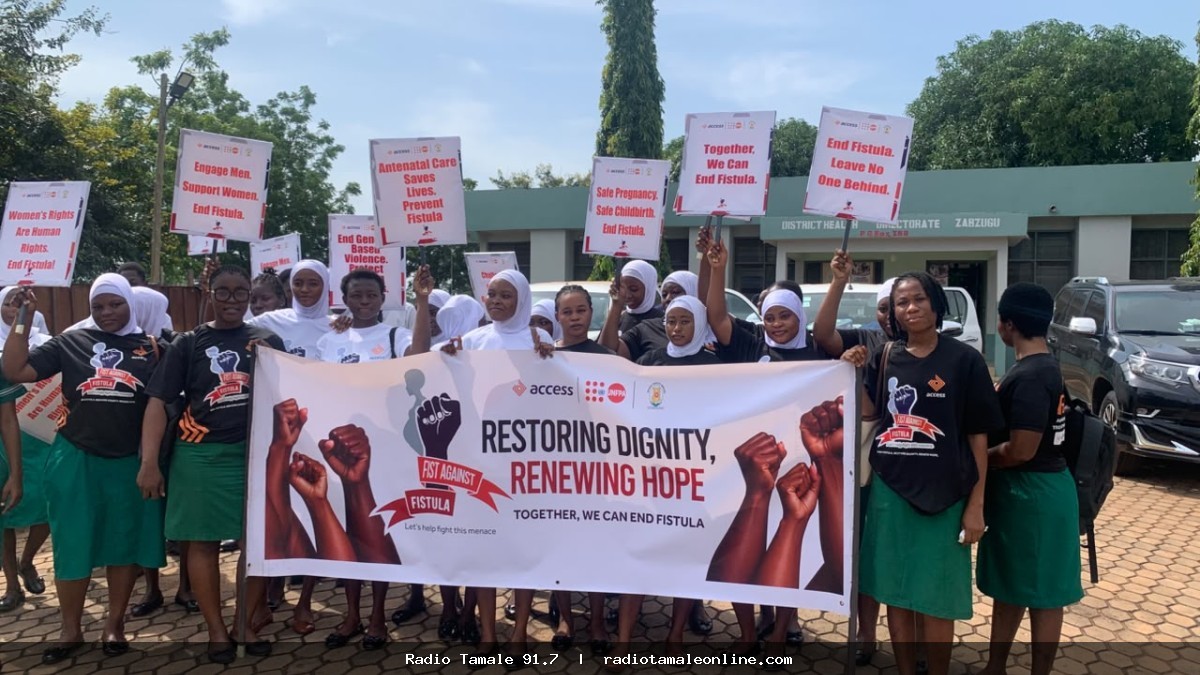
Residents of Kpukpalgu in Ghana’s Northern Region have embraced a new campaign to confront obstetric fistula, a debilitating childbirth injury that health officials say too often remains hidden because of stigma, fear and delayed treatment.
At a community sensitisation event on Tuesday, October 13, 2026, health professionals, Access Bank officials and representative from the Health Ministry urged women experiencing symptoms to seek medical care early, assuring them that treatment under the initiative is free, including surgery and related costs.
Fistula is a preventable and treatable condition, typically caused by prolonged or obstructed labour, which can leave women with continuous leakage of urine or faeces and profound social isolation. Health experts say early reporting and proper medical assessment are critical to successful treatment.
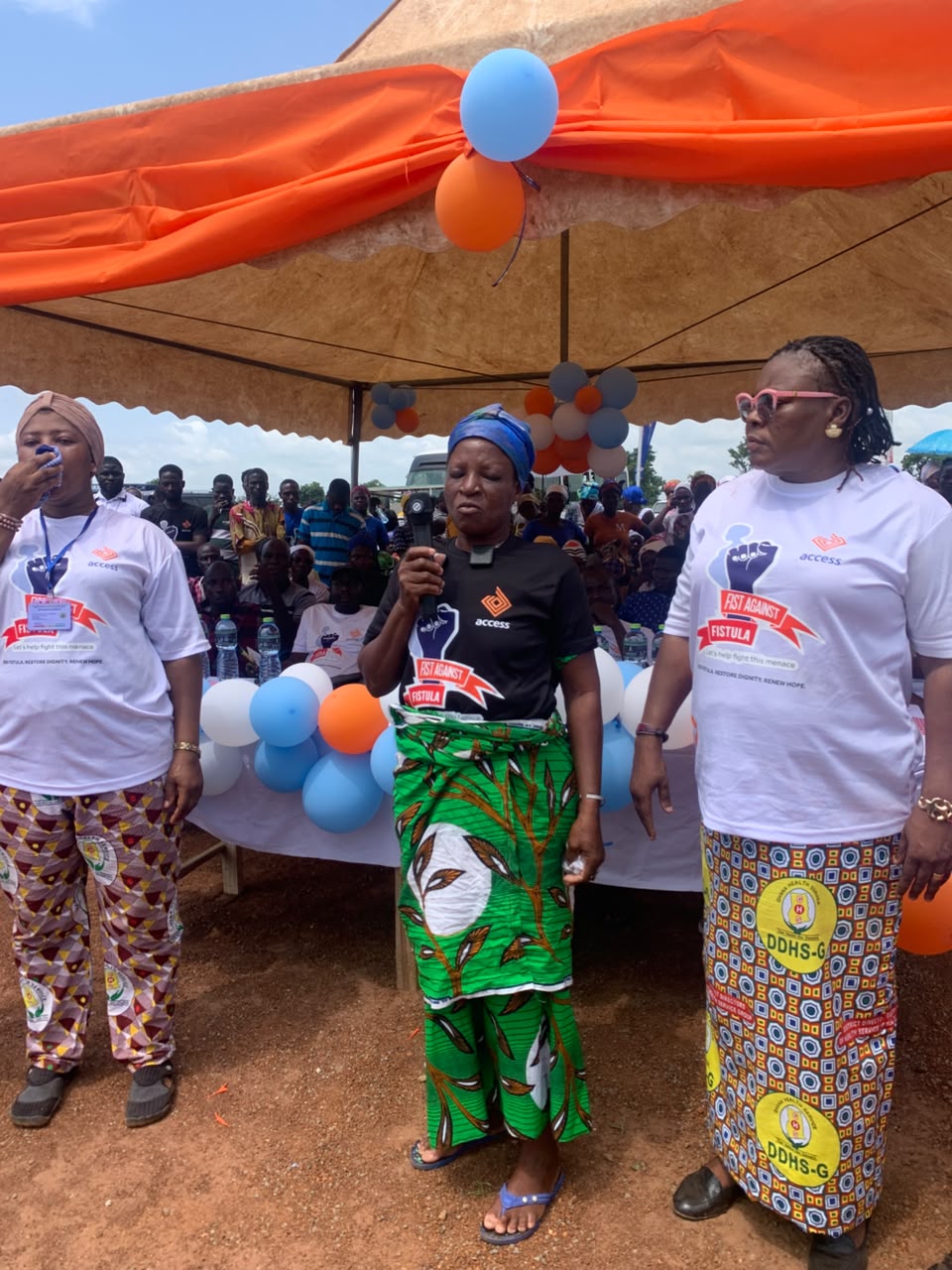
For many affected women, however, the greatest barrier is not distance or cost, but shame. Madam Mary, a survivor of fistula condition told residents that fear initially stopped her from disclosing her condition.
“Yes, I had fistula before, but now I am free from it. When I realised that it was fistula, I was afraid and found it difficult to explain my condition to anyone,” she said.
Her account underscored the emotional toll of the condition, with health officials calling on families and community leaders to support rather than isolate women who seek help.
Under the programme, Access Bank said beneficiaries will receive free fistula treatment, with all expenses covered, including surgical repair. Women who complete treatment will also receive financial support to start small businesses and rebuild their livelihoods.
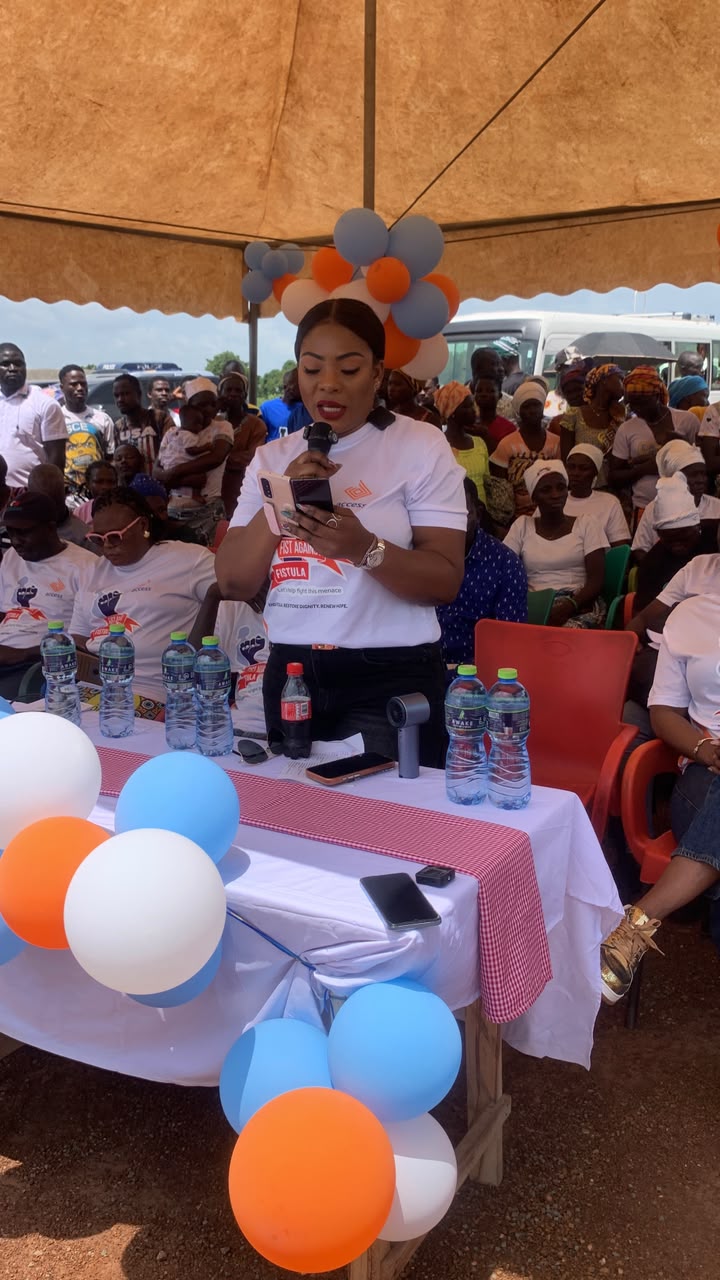
The initiative forms part of Access Bank’s broader “Fight Against Fistula” campaign, launched in 2018, which has supported corrective surgeries, advocacy and awareness efforts in Ghana. The bank and the United Nations Population Fund (UNFPA) renewed their partnership in 2026 to expand treatment, funding and public education.
Research on fistula care in Ghana has found that financial barriers including transport, accommodation and out-of-pocket medical costs can prevent women from reaching treatment even where surgery itself is subsidised or free.
Community Leaders Join Call
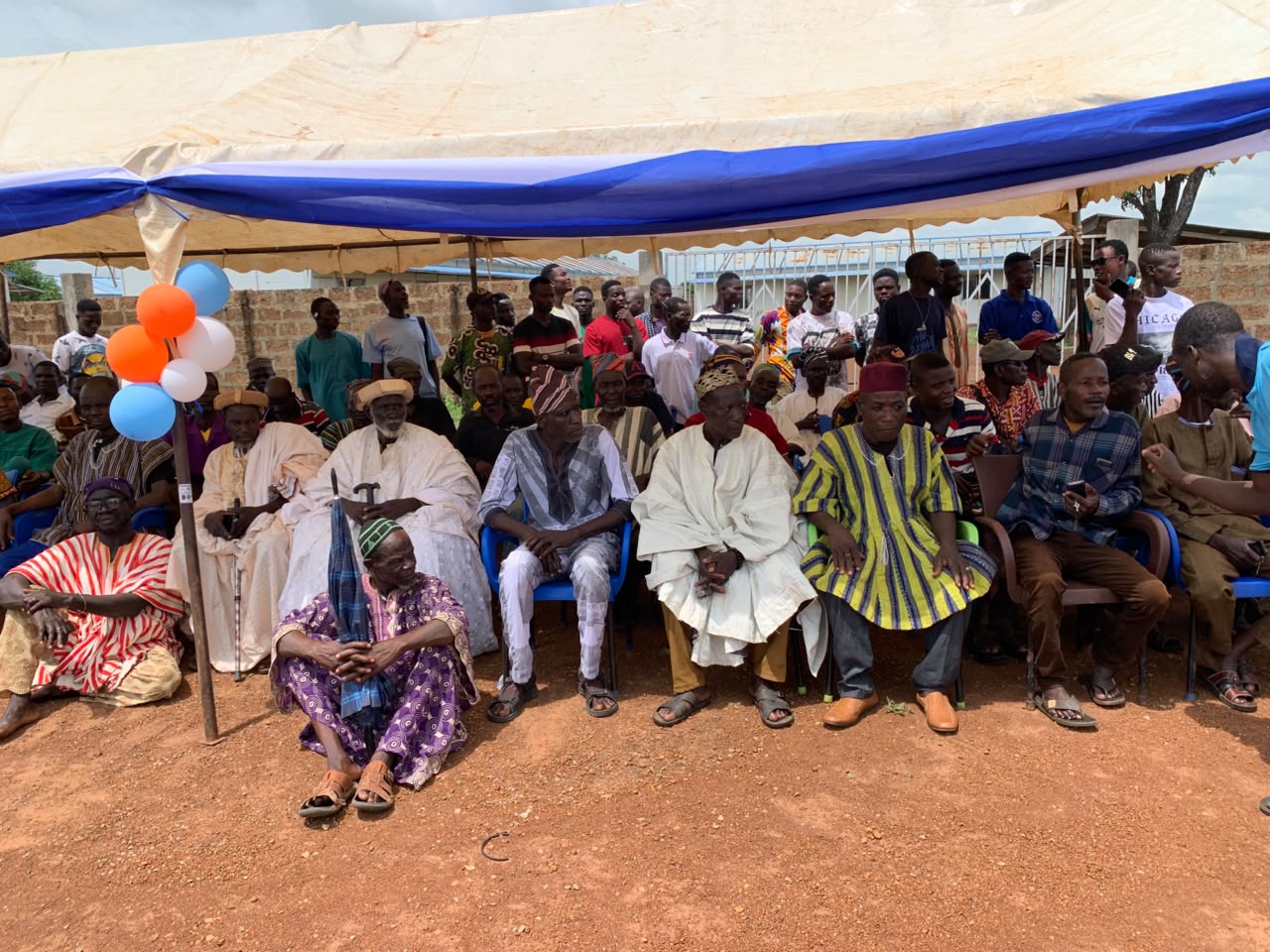
The traditional ruler of Kpukpalgu endorsed the campaign, urging women to report symptoms promptly and warning against concealing the condition out of embarrassment. He also called on residents to create an environment in which affected women can speak freely and access care without discrimination.
Health officials said the programme aims not only to treat women but to restore their dignity, confidence and economic independence. They appealed for continued collaboration among health workers, traditional authorities, financial institutions and communities to reduce stigma and improve early detection.
Organisers say the Kpukpalgu initiative is expected to strengthen ongoing national efforts to eliminate fistula, with Access Bank and UNFPA targeting expanded surgical repair and routine access to treatment across Ghana.
By Mariam Alhassan




0 Comments