
The World Food Programme (WFP), in partnership with the government of the Republic of Korea through KOICA, the Ministry of Food and Agriculture, the Commission for Technical and Vocational Education and Training (CTVET) and the Ghana-India Kofi Annan Centre of Excellence in ICT, is developing a digital agriculture skills training programme for agricultural colleges in Ghana.
The initiative, supported by the Republic of Korea through the Korea International Cooperation Agency (KOICA), seeks to equip agricultural students with digital knowledge and practical skills to improve farming practices and promote the adoption of modern technologies.
As part of the pilot phase, a five-day Training of Trainers programme is underway for instructors and tutors from five selected agricultural colleges, including Kwadaso, Ohawu, Ejura and Wenchi Agricultural Colleges.
Speaking on the initiative, WFP Ghana Programme Policy Officer, Kyoreh Yoo, said the programme was developed following a needs assessment conducted across the five colleges to identify gaps in their existing curricula.
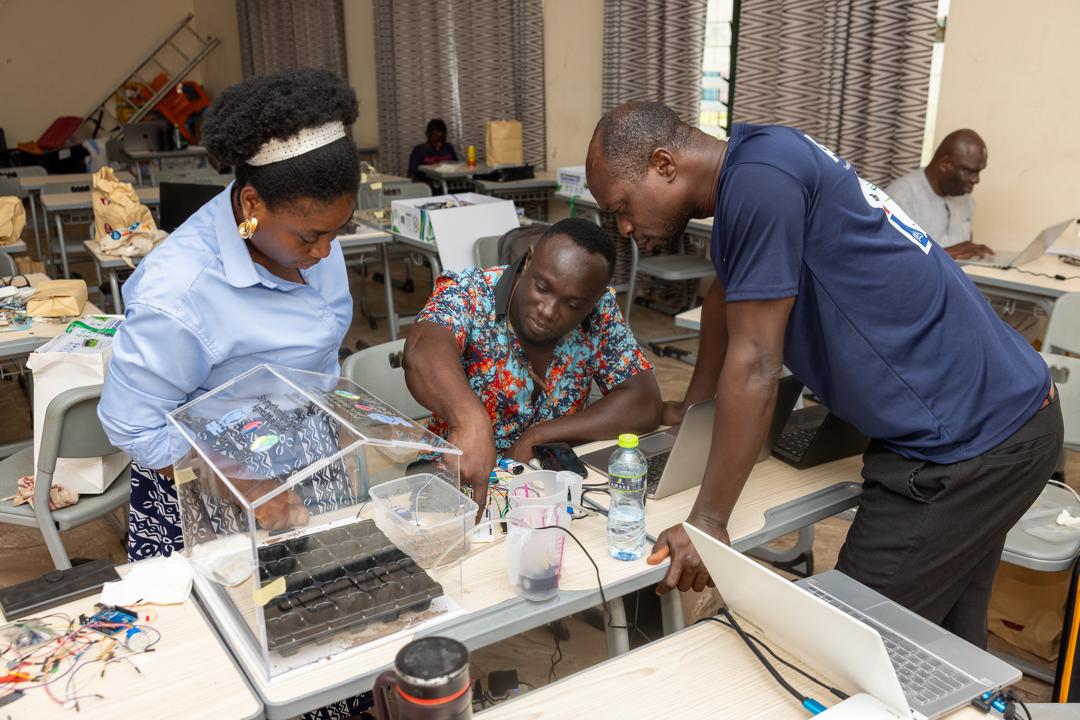
“This programme was developed based on a needs assessment that was conducted across five agriculture colleges to identify gaps in their existing curricula,” he said.
Mr Yoo disclosed that WFP, with support from the Republic of Korea through KOICA, had handed over various equipment and tools to the colleges to strengthen their capacity to deliver training in digital agriculture technologies.
Following the handover, WFP and GI-KACE are training instructors and tutors on the digital skills programme and the effective use of the equipment provided.
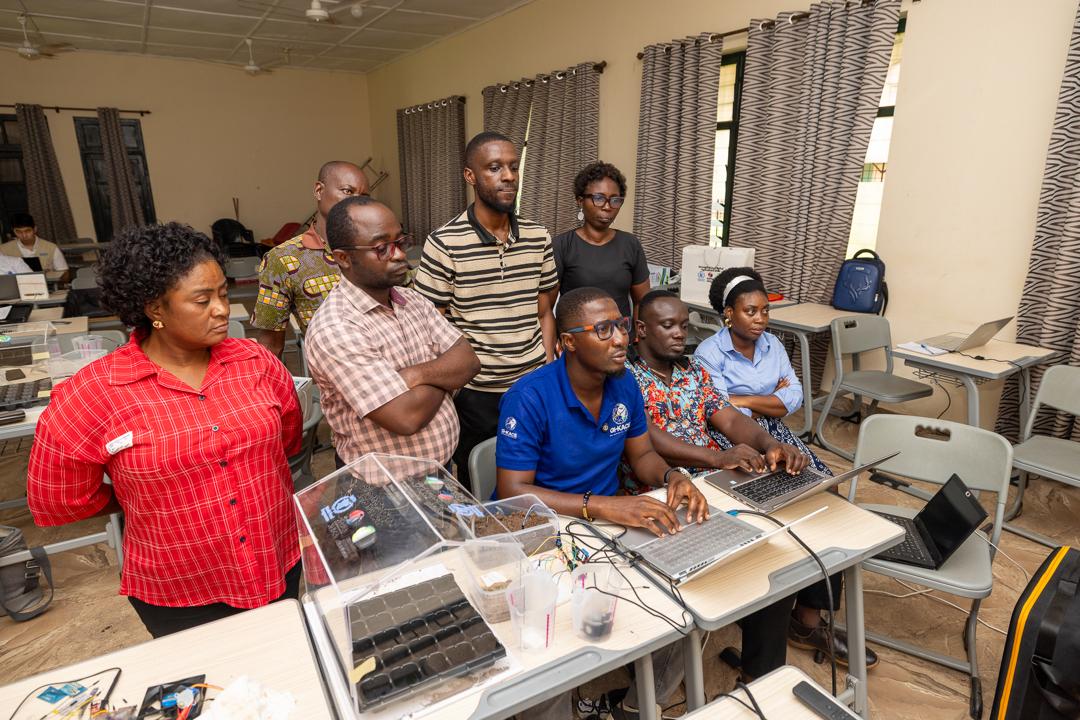
“This training is critical because having access to modern technology alone is not enough. Instructors and tutors must have the knowledge, skills and confidence to use those technologies effectively before they can pass those competencies onto their students,” he said.
He explained that the initiative would ultimately equip students with digital knowledge, technical skills and hands-on experience to apply modern technologies in agriculture.
“We want to make sure that students acquire hands-on technical skills to use new technologies in agriculture so that when they graduate, they will become champions of those new technologies and promote the use of technologies in agriculture in Ghana,” he added.
Mr Yoo noted that many young people were reluctant to engage in agriculture because it was often perceived as labour-intensive and challenging.
He said introducing technology and digital solutions could make the sector more productive, efficient and attractive to young people.
“We can make agriculture more productive and more attractive for youth by introducing technology. With the use of technology and digital solutions, it will make agriculture not only more productive but easier and more efficient,” he said.
An instructor at the Ghana-India Kofi Annan Centre of Excellence in ICT, Prescott Nyamekye, said the training was designed to integrate digital technology and data-driven solutions into agricultural practices.
“This programme is intended to integrate digital technology into agriculture to ensure that agricultural activities are backed by data for good farming practices,” he explained.
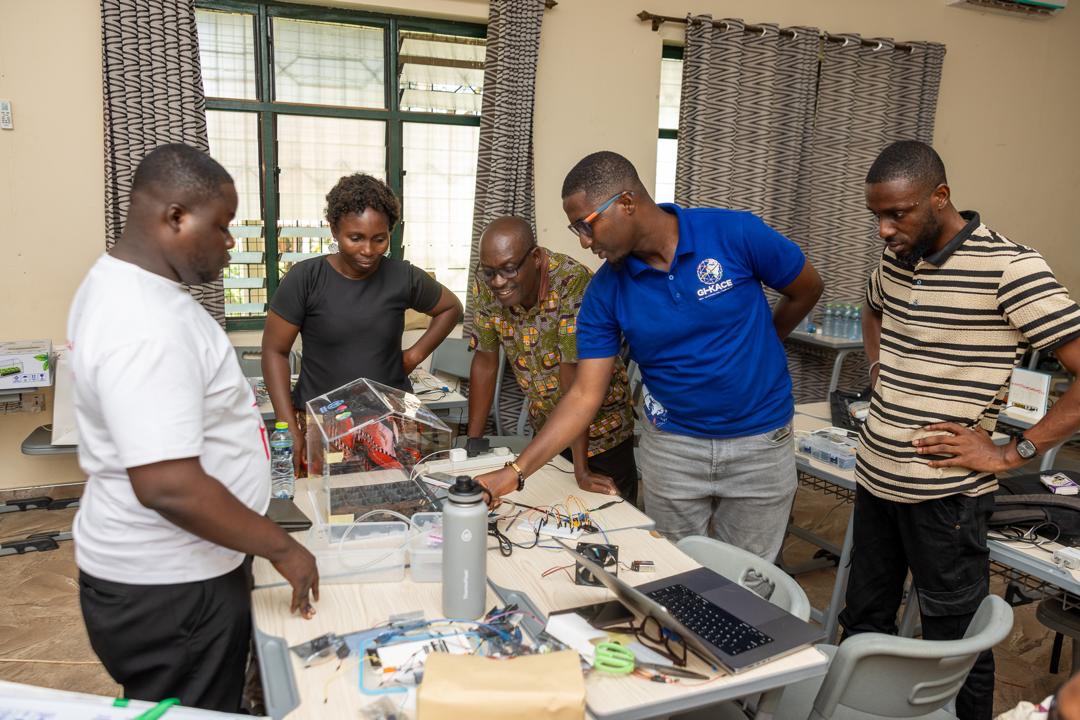
He said the five-day training was structured around five modules covering smart agriculture, digital and communication skills, data-driven applications using the Internet of Things (IoT) and smart sensors, as well as agribusiness and digital marketing.
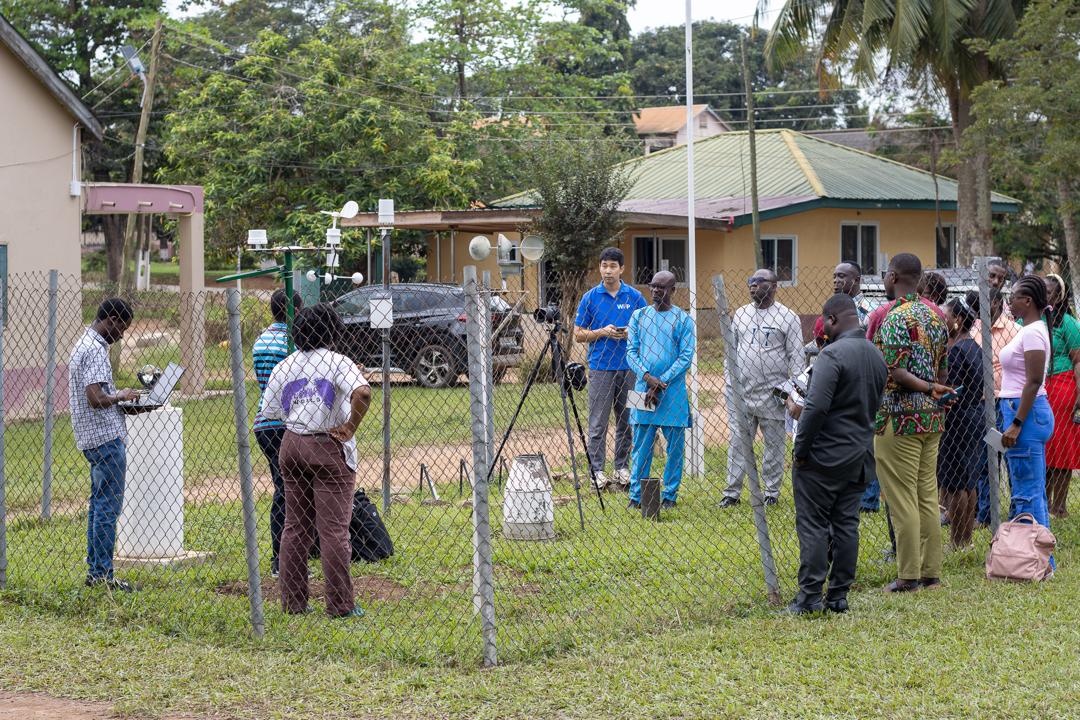
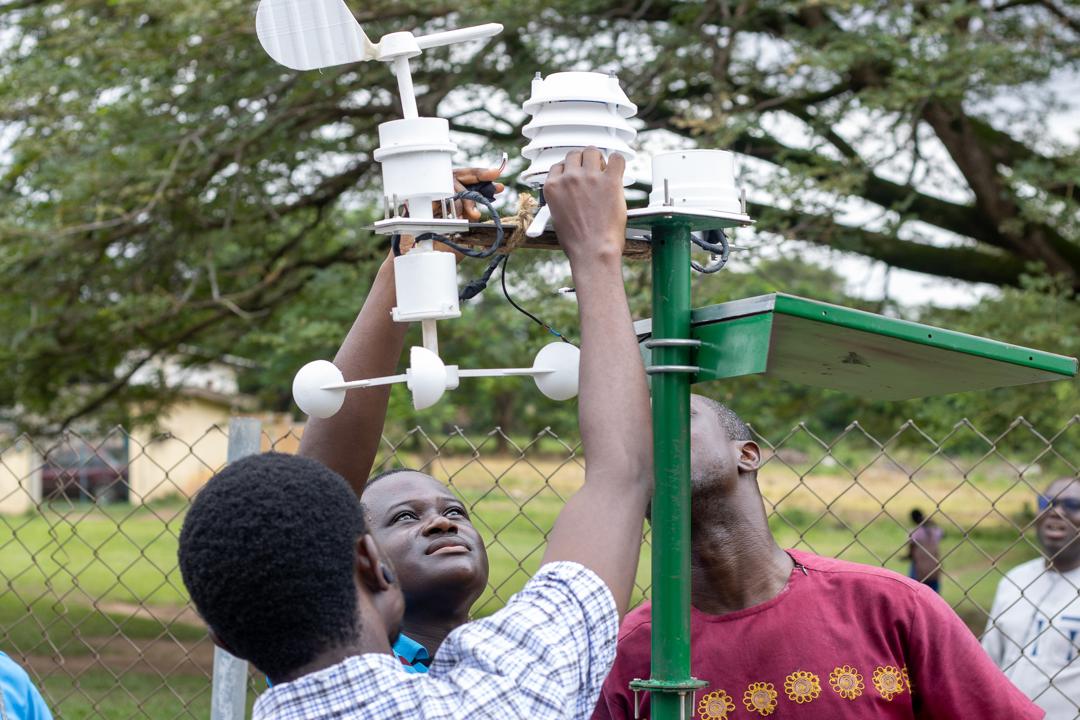
Mr Nyamekye explained that technologies such as weather stations could provide rainfall notifications and data through connected dashboards, helping farmers make informed decisions based on reliable information.
“Technology has come to stay and must be embraced, along with the principles guiding the use of technology and Artificial Intelligence,” he added.
He said the team would visit the participating colleges after the training to monitor implementation and assess how the skills acquired were being incorporated into teaching and learning.
Meanwhile, the Director responsible for Standards and Sector Skills Bodies in CTVET’s Standards, Curriculum Development and Enforcement Division, John Jonathan Afetorgbor, said Ghana continued to face a significant gap between training and industry requirements.
“We have a very serious challenge with the divide between training and industry, where graduates are unable to secure jobs because they lack requisite competencies despite having degrees and certificates,” he said.
He explained that the programme was developed in response to industry needs, with a strong emphasis on practical training to prepare students for the demands of the agricultural sector.
“This programme is practical-based, aimed at equipping students with hands-on skills so that after graduating they can operate effectively in the field as extension officers,” he said.
Mr Afetorgbor said CTVET had monitoring and quality assurance mechanisms to ensure that training institutions complied with approved curricula and standards.
He added that, after the pilot phase, the Commission intended to award certificates and grant accreditation to participating agricultural colleges to run the programme.
According to him, the curriculum follows CTVET’s qualification framework, which is based on Competency-Based Training, a strategy adopted by the government for technical and vocational education and training.
“The programme was developed in collaboration with CTVET and follows our qualification framework, which is based on Competency-Based Training, the strategy adopted by the government for TVET,” he said.
He said the intention was to integrate digital agriculture into existing Higher National Diploma (HND), Certificate One and Certificate Two programmes.
Some participants said the training would improve their ability to deliver practical lessons and prepare students for real-world agricultural work.
An instructor in irrigation and land surveying, Obed Appiah, said the skills acquired would make his lessons more engaging by enabling students to see how digital tools could be applied to agricultural decisions.
He explained that although students were taught the relevant concepts, many struggled to grasp them because of limited practical experience.
“Whilst we are having training, I was excited because I realised that taking this to the classroom will make my class lessons very exciting. They are not going to imagine anymore, but they will see how they can apply the internet and certain tools to make agricultural decisions better,” he said.
Mr Appiah stressed the need to strengthen the practical component of agricultural education, arguing that curricula should be reviewed to incorporate relevant digital and technical skills.
He also cited post-harvest losses and limited technical knowledge as some of the challenges facing the sector, expressing confidence that the programme would help instructors transfer the necessary skills to students.
Another participant, Eva Ani Okae, said the training had exposed tutors to modern tools that would help them connect classroom lessons to practical agricultural experiences.
She also called for a review of the curriculum to incorporate more practical and digital skills, enabling students to apply modern technologies to agricultural challenges.










0 Comments