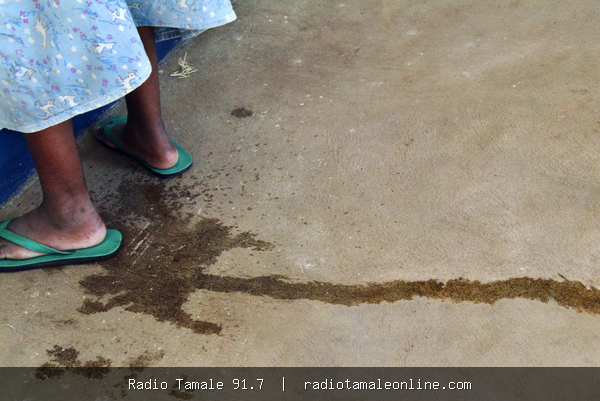
Tamale, Oct. 29. – For women living with obstetric fistula, the consequences of a difficult childbirth can extend far beyond the delivery room, leaving them with persistent incontinence, emotional distress and in some cases, rejection by their families and communities.
Yet the condition is largely preventable and can often be treated, making access to timely maternal healthcare and an end to stigma essential to protecting affected women.
Obstetric fistula is an abnormal opening between the birth canal and the bladder or rectum, sometimes involving both. It most commonly develops following prolonged, obstructed labour without timely emergency medical intervention.
Pressure from the baby’s head can damage the tissues between these organs, creating an opening through which urine or faeces leaks into the vagina.
Beyond the physical effects, including skin irritation and recurrent infections, women may experience embarrassment, isolation and depression.
Where understanding of the condition is limited, some affected women face blame, rejection by partners or exclusion from social activities. Fear of such treatment can discourage them from disclosing their condition or seeking medical help.
Obstetric fistula is a childbirth injury, not a curse, punishment or personal failure. Women living with it need compassion, appropriate medical care and support to rebuild their lives.
Timely care is critical to prevention
Preventing fistula requires access to quality antenatal care, skilled attendance at birth and emergency obstetric services when complications arise.
Women in rural and underserved communities can face particular difficulties, including the cost of care, long distances to health facilities, limited transport and delays in referral.
Teenage pregnancy and inadequate access to reproductive health information may add to these challenges. However, fistula can affect any woman who experiences obstructed labour without timely treatment.
Antenatal attendance is important, but it must be accompanied by effective referral arrangements and access to emergency care during childbirth, including Caesarean section when medically necessary.
Health facilities must be equipped to recognise complications and respond promptly, while families need support to overcome financial and transport barriers that delay access to care.
Treatment offers hope
Obstetric fistula can often be repaired through surgery by trained medical professionals. Treatment depends on the location and severity of the injury, and some women require additional procedures or continuing care.
Women experiencing persistent leakage of urine or faeces after childbirth should seek assessment at a health facility rather than conceal their symptoms.
In Ghana, the Ghana Health Service and partner organisations have supported fistula treatment and public education initiatives. Some programmes offer free treatment to eligible patients.
Affected women and their families can enquire at health facilities about assessment, referral and available treatment support.
Recovery, however, involves more than surgery. Counselling, follow-up care and assistance to return to work or other activities can help women regain confidence and independence.
Shared responsibility
Traditional and religious leaders, health workers, families and the media have a role in challenging misconceptions and encouraging women to seek care without fear of discrimination.
Community education must explain both the causes of fistula and the availability of treatment, while protecting the privacy and dignity of affected women.
Government and development partners must also sustain investment in maternal healthcare, emergency referral systems, surgical services and rehabilitation.
For women already living with the condition, the immediate priority is access to treatment and acceptance. For those yet to give birth, prevention depends on ensuring that a childbirth emergency does not become a lifelong injury.
By Mariam Alhassan










0 Comments