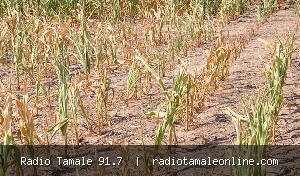
Climate and public-health specialists have warned governments in Ghana and across West Africa to immediately strengthen their preparedness systems ahead of the 2026–2027 El Niño event, cautioning that delayed rainfall, prolonged dry spells, and rising temperatures threaten to disrupt agriculture, hydroelectric power, and healthcare delivery.
The urgent call was made during the third edition of the WAJESHA Expert Knowledge Exchange Series, a virtual forum organized by the West African Journalists for Environment, Science, Health and Agriculture (WAJESHA) under the theme, “El Niño 2026–2027: Understanding Its Implications for Ghana and West Africa.”
Speaking during the engagement, Dr. Caleb Mensah, a Senior Lecturer at the University of Energy and Natural Resources (UENR), explained that while the El Niño–Southern Oscillation (ENSO) originates in the Pacific Ocean, its atmospheric interactions are expected to trigger below-normal rainfall, delayed onset of rains, and extended dry intervals across West Africa.
According to Dr. Mensah, rain-fed agriculture which forms the backbone of food production in the sub-region faces severe disruption
“The interval between the first and second rainfall events could extend to two or three weeks,” he cautioned, noting that high temperatures and erratic rains will suppress crop yields, drive up food scarcity, and strain market supply chains.
He also raised red flags over pest infestations, particularly termites and army ants that thrive in hot, dry conditions, and questioned whether smallholder farmers have adequate access to drought-tolerant seed varieties developed by the Council for Scientific and Industrial Research (CSIR).
Beyond agriculture, Dr. Mensah warned that reduced rainfall threatens water supplies and Ghana’s energy mix, as lower water inflows into the Volta and Lower Volta basins could negatively impact hydroelectric power generation.
“The extent of the impact will depend on the measures we put in place. That is why our efforts must begin now,” he stressed.
On the public-health front, Dr. Patrick Otim, Programme Area Manager for Emergency Response at the World Health Organization (WHO) Regional Office for Africa, disclosed that the WHO has classified the event at Grade 3—the highest level under its internal emergency grading system.
Despite early-warning alerts and ongoing readiness assessments across 18 countries, Dr. Otim offered a candid assessment of the sub-region’s readiness.
“I do not think any country in West Africa is fully prepared to deal with this,” he stated.
Dr. Otim highlighted inadequate national food reserves and limited storage facilities as critical gaps that could expose vulnerable populations to severe malnutrition following crop failures.
He also pointed to the heightened risks of heat-related illnesses, waterborne and vector-borne diseases, and the potential drying up of boreholes as water tables drop.
With Ghana located within the African meningitis belt, the WHO official underscored the need for heightened disease surveillance, warning that dry conditions significantly increase the risk of meningococcal meningitis outbreaks.
He advised members of the public experiencing symptoms such as severe headaches, neck pain, or neck stiffness to seek immediate medical attention.
To mitigate these threats, Dr. Otim urged governments to adopt a coordinated, multi-sectoral approach involving health, agriculture, water, and disaster-management agencies. Key recommendations include setting up national task forces, pre-positioning emergency supplies, strengthening yellow fever and meningitis surveillance, and deploying mobile outreach clinics to reach displaced persons and residents in underserved peri-urban settlements.
Both experts emphasized the vital role of the media in translating technical climate and health warnings into actionable, community-level guidance without sparking public panic.
Dr. Otim encouraged journalists to utilize local languages to educate citizens on safe water practices, heat protection, mosquito net usage, and emergency medical access, while strictly avoiding sensationalism and misinformation.
“It is important to inform the public without creating panic. Informing without alarming is key,” he noted.
The knowledge-sharing session, facilitated by WAJESHA, a non-profit journalism project of the Centre for Climate Change and Food Security (CCCFS) concluded with a consensus that proactive intervention by state authorities is critical before the full effects of the climate phenomenon materialize.
By: Mumuni Yirifa Yunus | RadioTamaleOnline






0 Comments