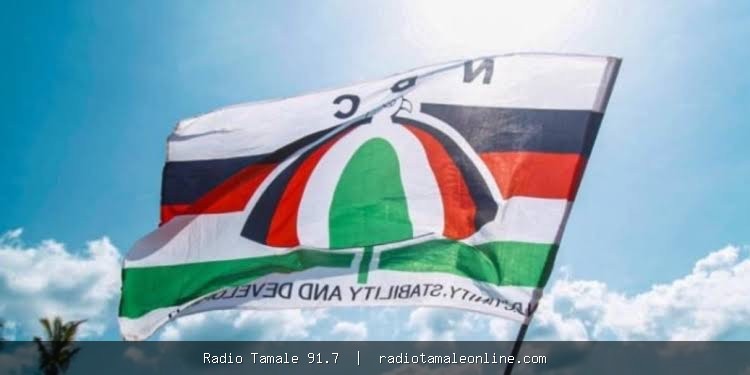
The National Democratic Congress (NDC) has completed its Regional Executive Elections across the country but finishing the voting is not the same as healing the party. Delegates retained some leaders and replaced others, which is what a competitive party looks like. Yet the disorder in the Northern Region, the disputed result in the Central Region and the row over material support to delegates in the North East Region point to weaknesses the party must confront before its National Delegates Congress in December.
I do not believe these contests will decide whether the NDC wins or loses in 2028 but how the party responds to them could shape the strength of its campaign machinery, the commitment of its foot soldiers and the credibility of its message. They are neither a forecast of defeat nor a reason for self-congratulation. They are an early test of whether the NDC can turn internal competition into common purpose.
When a close result becomes a confrontation
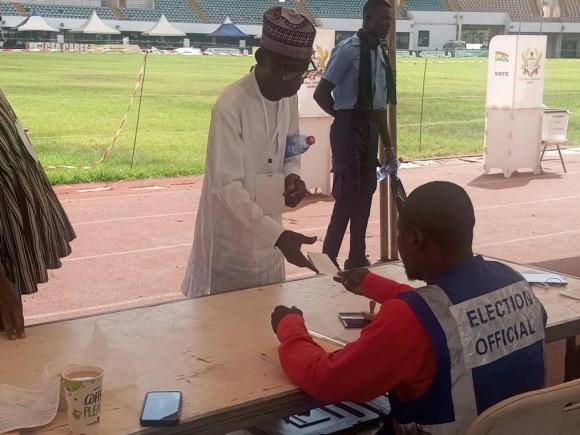
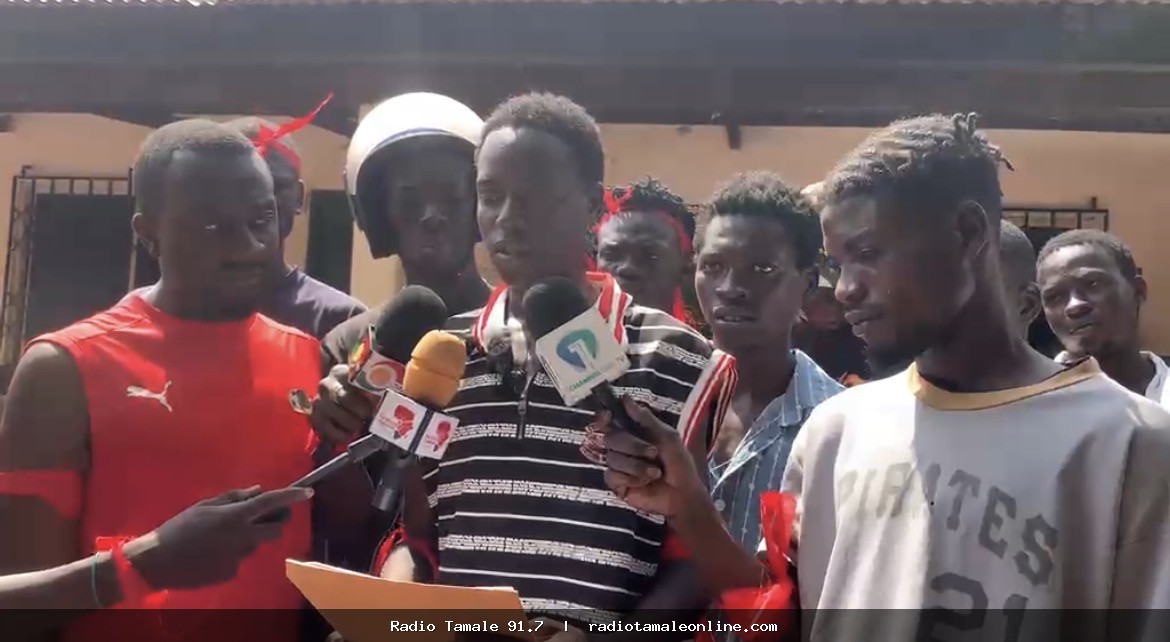
The clearest warning came from Tamale. In the contest for Northern Regional Treasurer, Mohammed Suhuyini Sulemana polled 298 votes to Alhassan Osman Gomda’s 292. As officials tried to declare the result, the process was disrupted, furniture was damaged and one person was arrested before proceedings could resume. Supporters struck the officials’ table and scattered election documents.
A six-vote margin is not proof of an illegitimate election, and a candidate’s objection is not proof of a rigged count. Close results call for transparency, careful verification and a complaints process people can actually use. They do not call for the assumption that someone must be cheating.
Fairness also demands proportion. The Chairmanship, Vice-Chairmanship, Secretary and Deputy Secretary results were declared without incident, and Godfred Apasinaba Wumbei won the chairmanship with 328 votes to Alhaji Tanko Maida’s 236. It would be wrong to paint the entire Northern election as violent. But that is exactly the point. An election can run smoothly for hours and still expose its weakest seam at the most contentious moment. The real test of any electoral system comes when the margin between winning and losing is small enough to hurt.
The lesson is simple: dispute resolution must be built into election design, not improvised after tempers rise.
Trust begins before polling day
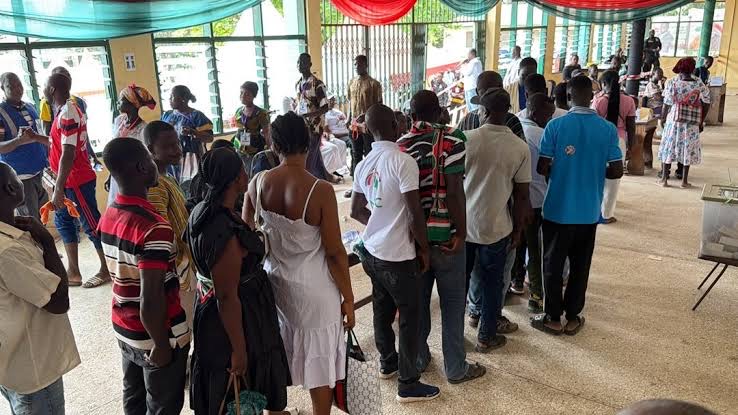
The Central region dispute points to a different problem: confidence in the delegates’ register. Richard Asiedu, who challenged the chairmanship result, alleged that unrecognized names had been added to the delegates’ list and called for a recount. These remain allegations, not established findings, and published accounts differ on his vote total and the margin. What is clear is that a count, however transparent, cannot repair doubt about who was entitled to vote.
Before December, the party should give candidates a real chance to inspect the register, challenge questionable entries and get answers before a single ballot is cast. At the same time, candidates should not save their objections as insurance against defeat. Concerns known beforehand should be raised beforehand. A credible system protects two rights: the right to challenge a flawed process, and the right of a legitimate winner not to be undermined by unsupported accusations.
Where support ends and inducement begins
In the North East region, incumbent regional chairman Abdul Rauf Tanko Ibrahim acknowledged distributing motorbikes and other support ahead of the elections, defending it as part of his duty to equip executives for party work. His admission shows that support was given. It does not, on its own, show that votes were bought.
That distinction matters. Parties need resources, and helping officers get around is not automatically corruption. But the timing, the recipients, who owns the assets and what conditions come attached all decide whether the help serves the organisation or one candidate’s ambitions. The NDC should settle these rules before the next contest, not argue over them afterwards.
The bigger question is about fairness. Can a talented Organizer without deep pockets still compete? If leadership increasingly goes to those who can finance delegates, the party will be rewarding wealth over judgement and competence, and those are the wrong qualities to filter for in the people who must defend its record in 2028.
Old grievances, new fault lines
Walewale shows how an election can become tangled up with older quarrels. JoyNews confirmed that the town experienced a power outage after the regional results, but found no independent evidence of sabotage or deliberate interference.
What matters is why some supporters read the blackout as sabotage. Reporting described longstanding tensions around newly elected regional secretary Abubakari Abdallah, complaints that loyal activists had been overlooked for appointments and earlier threats to boycott party activities. The regional minister rejected claims that he had frustrated Abdallah’s prospects and argued that contesting elections or backing the party does not automatically earn a government post.
He has a point. Public office cannot become compensation for every disappointed activist. But a party also cannot keep asking members for their time, money and energy and then treat their complaints as noise once power is won. The answer is not more appointments. It is honest communication, transparent criteria and a genuine hearing. An activist who misses out need not become an opponent. One who feels unheard may simply stop working, and that quieter outcome should worry party leaders as much as any public protest.
What the party should do before December
President John Dramani Mahama has urged the newly elected executives and their rivals to rally behind the party before the national elections. That is the right message, but unity needs more than an appeal from the top. It needs practice.
First, agree the rules early. Accreditation, register objections, recount thresholds and appeals should be settled before anyone knows whom they will favour. Second, make verification easier than confrontation, so that a dissatisfied candidate has somewhere better to go than a microphone or a crowd. Third, treat misconduct and dissent differently: destroying property should carry consequences, but peaceful, evidence-based challenges must stay safe. Fourth, keep party contests apart from public resources, even when allegations, like the Walewale outage claim, remain unproven. Finally, give reconciliation real content. A handshake photo is not enough. The test is whether rival camps later organise, meet and share work together.
The risks for 2028
Nothing in the available reporting supports putting a number on how these disputes might affect the 2028 vote. Their influence will depend on what happens next, but three risks stand out.
The first is demobilization. A disappointed supporter does not need to defect to weaken the party. They only need to stop recruiting volunteers, knocking on doors or giving resources. The boycott threats in Walewale show this is more than theory, though they do not prove widespread withdrawal.
The second is credibility. Disorder in internal elections hands opponents a ready line of attack on the party’s discipline, and the criticism need not be entirely fair to sting. The NDC’s best answer is not denial or exaggeration but evidence that complaints are heard and violence has consequences.
The third is distraction. If grievances fester, leaders will spend the campaign managing rival camps instead of persuading voters, especially if regional resentments become entangled in national leadership ambitions.
There is an opportunity too. Incumbents were replaced in places such as Greater Accra, Bono East and Upper West, while others were retained. That mix need not signal breakdown. It may simply reflect delegates making real choices. The difference that matters is between turnover and rupture: replacing a leader can refresh a party, while humiliating the losing side can fracture it.
Organisation is not a substitute for performance
Finally, the NDC should resist the comforting idea that flawless internal organisation guarantees victory. Regional executives can explain and defend a government’s record, but they cannot manufacture public satisfaction. Voters will judge the party on far more than its skill at reconciling factions. President Mahama was right to tie unity to the government’s duty to justify public trust. Internal discipline should serve public service, not become an end in itself.
The real test
The Northern Region should not be reduced to images of broken furniture, and the whole exercise should not be condemned because some results were disputed. But these incidents are not harmless family quarrels either. The reporting shows competitive elections, some peaceful declarations, a serious disruption in Tamale, contested claims over a register, acknowledged material support and lingering factional grievances. These are different problems that need different remedies, not one sweeping charge of a rigged process.
The choice before December is whether to manage appearances or repair weaknesses. The first means issuing statements of unity while leaving complaint procedures and financing rules untouched. The second means making the next contest visibly fairer and more disciplined.
The regional elections have not decided the NDC’s fate in 2028. They have shown the conditions under which that contest will be fought. If the party learns from them, a difficult internal season could become a source of renewal. If it waves them away, it may find that an internal victory means little when the organisation needed for the bigger fight has been quietly weakened.
By: Addy Kennedy Edem | RadioTamaleOnline

0 Comments