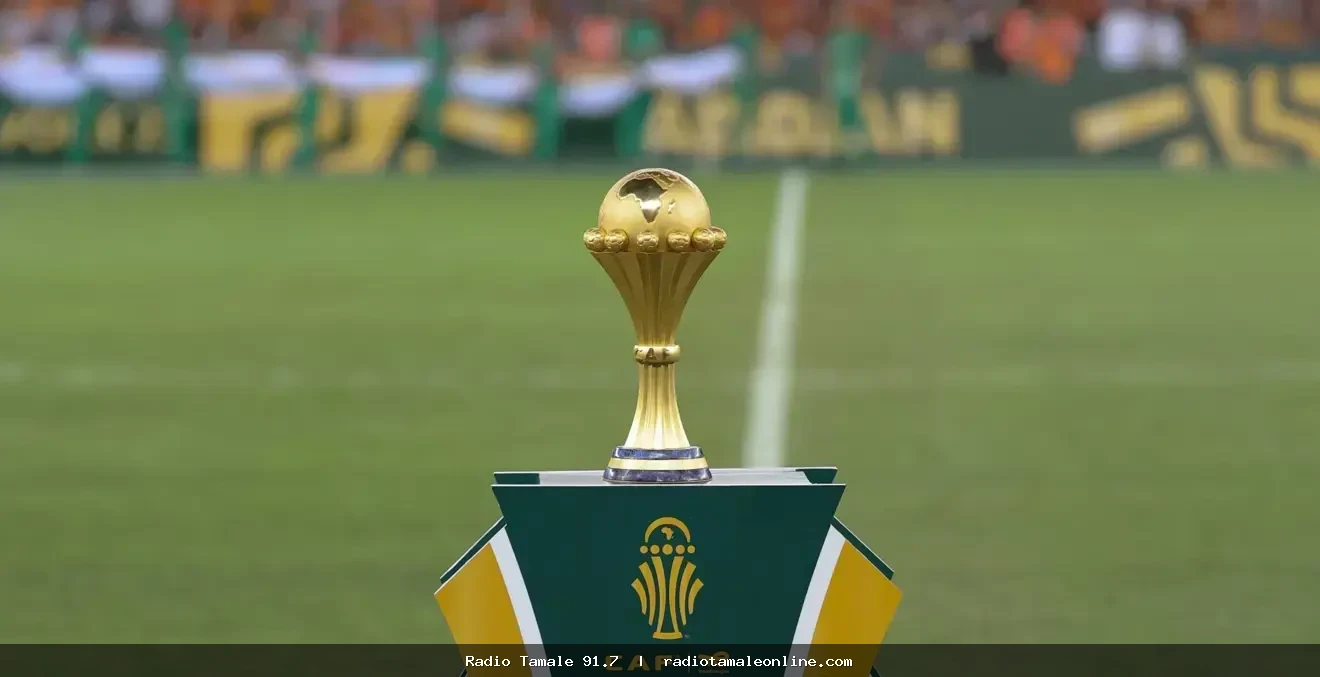
The Court of Arbitration for Sport (CAS) will deliver its verdict on the disputed AFCON 2025 final on Tuesday, November 24, 2026, bringing the legal battle between Morocco and Senegal to a decisive stage.
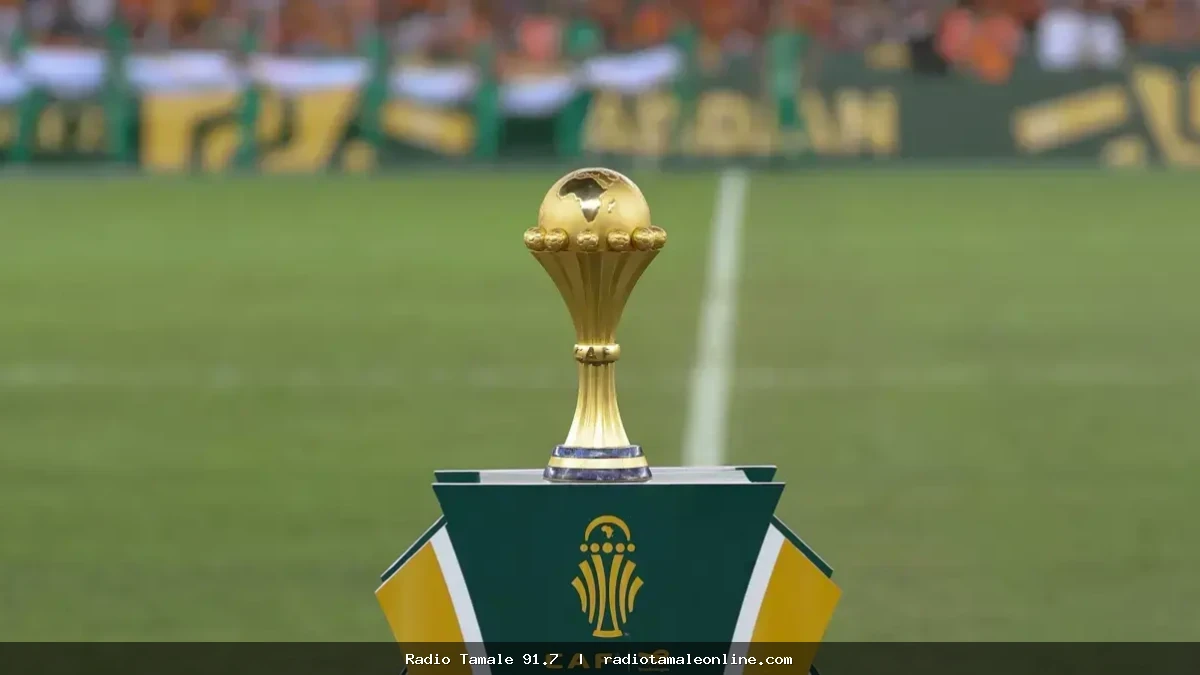
CAS confirmed the date on Monday, November 23. Its ruling will determine whether hosts Morocco retain the trophy awarded to them by CAF’s Appeal Board or Senegal overturn that decision and reclaim the title they won on the pitch.
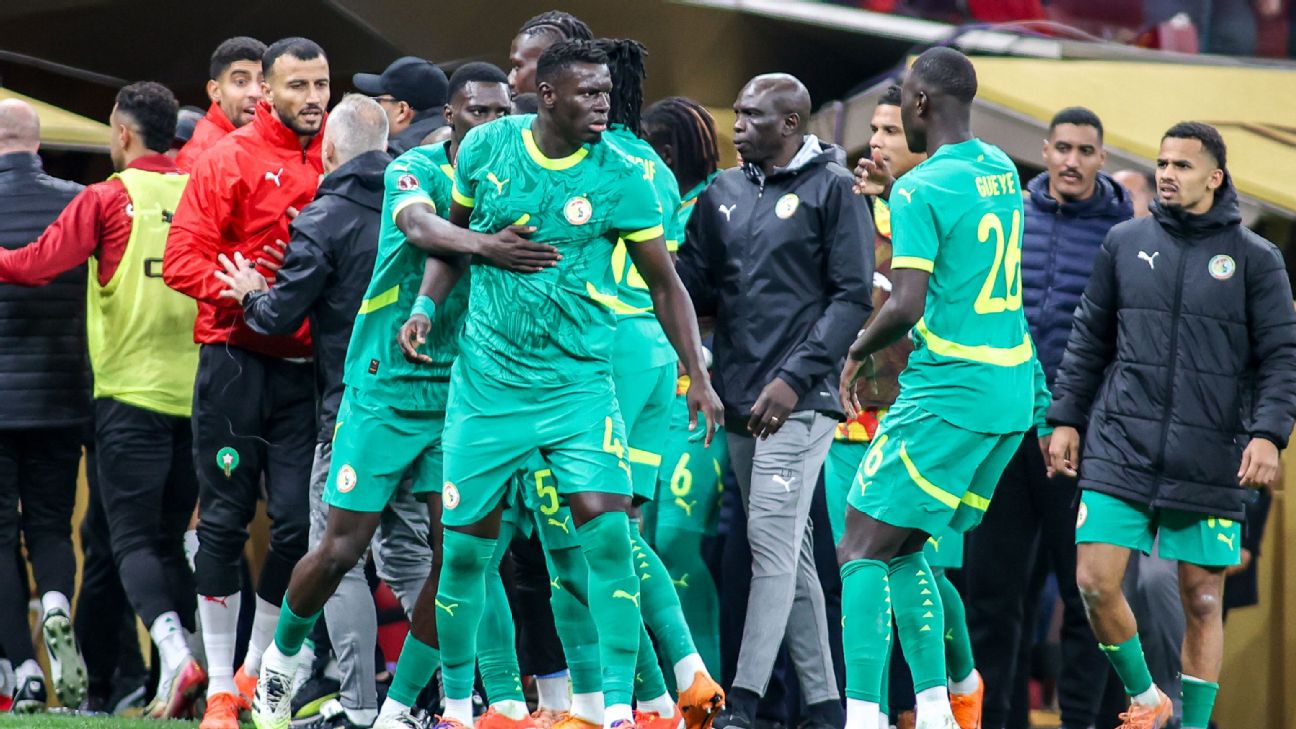
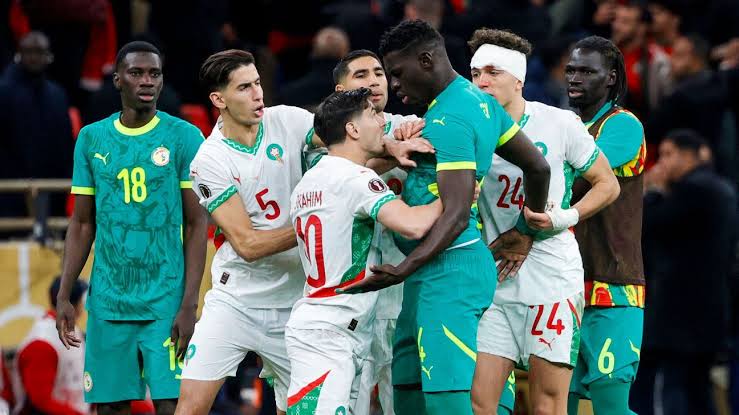
At the centre of the dispute is Senegal’s controversial walk-off during the January 18 final in Rabat, following a refereeing decision to award Morocco a late penalty. Senegal eventually returned to the field and won 1-0 after extra time, courtesy of a Pape Gueye goal. However, CAF later overturned that result and awarded Morocco a 3-0 victory by forfeiture.
With the match goalless in second-half stoppage time, referee Jean-Jacques Ndala awarded Morocco a penalty following a VAR review. The decision sparked protests from Senegal, who were already frustrated by the earlier disallowing of an Ismaïla Sarr goal. Senegal coach Pape Thiaw ushered his players off the pitch, while Sadio Mané remained on the field and encouraged his teammates to return.
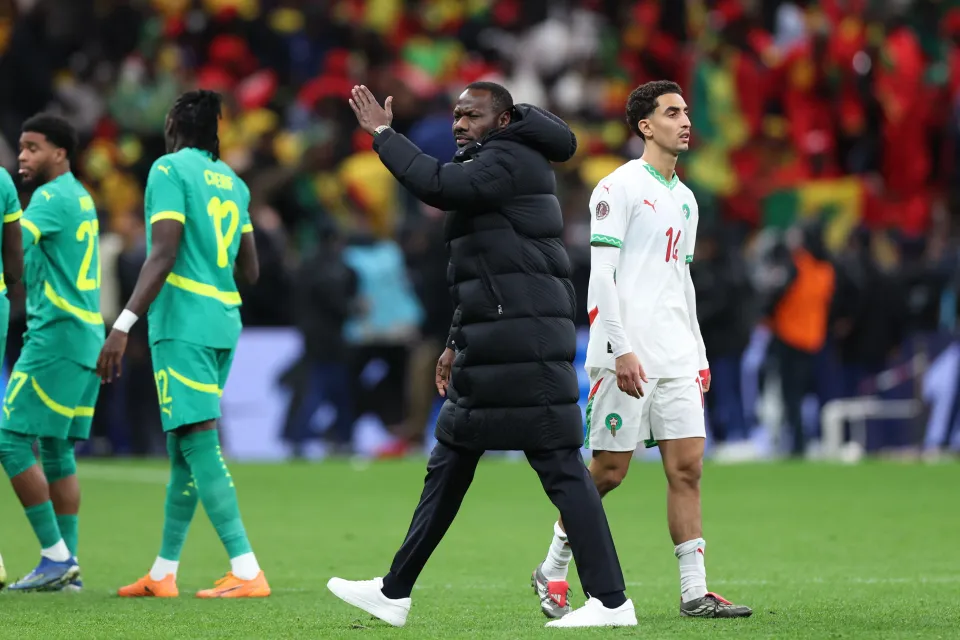
After a delay, Senegal came back and Ndala allowed the match to continue. Brahim Díaz’s penalty was saved by Édouard Mendy before Gueye struck in extra time to secure what Senegal celebrated as their second AFCON title.
The outcome changed on March 17, when CAF’s Appeal Board ruled that Senegal had forfeited the final by leaving the pitch. It replaced their 1-0 victory with a 3-0 win for Morocco, overturning an earlier disciplinary ruling and shifting the battle from the field to the courts.
The dispute centres on whether the referee’s decision to allow the match to resume and finish prevented CAF from subsequently declaring a forfeiture.
CAF’s Appeal Board based its ruling on Articles 82 and 84 of the AFCON regulations. Article 82 provides that a team refusing to play or leaving the field before the end of a match without the referee’s authorisation is considered the loser and eliminated. Article 84 provides for a 3-0 defeat when those provisions are breached.
Morocco’s federation has maintained that its appeal was about enforcing the competition’s regulations, rather than challenging Senegal’s performance. Its position is that Senegal’s return to the pitch did not erase the consequences of the walk-off. Senegal, meanwhile, argue that the referee allowed the match to continue and that his decisions are final. Their challenge questions whether CAF could treat the final as a forfeiture after both teams had completed it. The case therefore goes beyond the penalty decision itself. It concerns the limits of the referee’s authority during a match and CAF’s power to change the result afterwards. Following the October 8 hearing, CAS initially indicated that a decision would come within days.
The court subsequently opted to issue a complete written ruling, known as a CAS Award, setting out both its decision and the legal reasons behind it. That process required several weeks, with November 24 now confirmed as the announcement date. If CAS annuls CAF’s forfeiture ruling and restores the on-field result, Senegal would regain recognition as champions. Their extra-time victory would stand, restoring the second AFCON title they celebrated after their success in the 2021 edition.If Senegal’s appeal is rejected, Morocco would retain the championship awarded by CAF, with the official result remaining a 3-0 forfeiture.
For both teams, Tuesday’s verdict will decide whether the trophy stays where CAF placed it or returns to the side that won the final on the pitch. For African football, the court’s reasoning will also be closely watched for what it says about walk-offs, refereeing authority and the enforcement of competition rules.
By: Addy Kennedy Edem


0 Comments