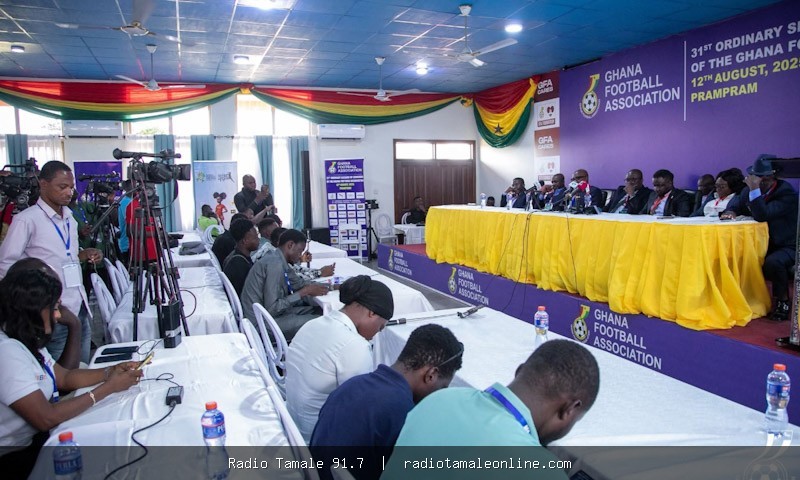
By 2027, the Ghana football association (GFA) 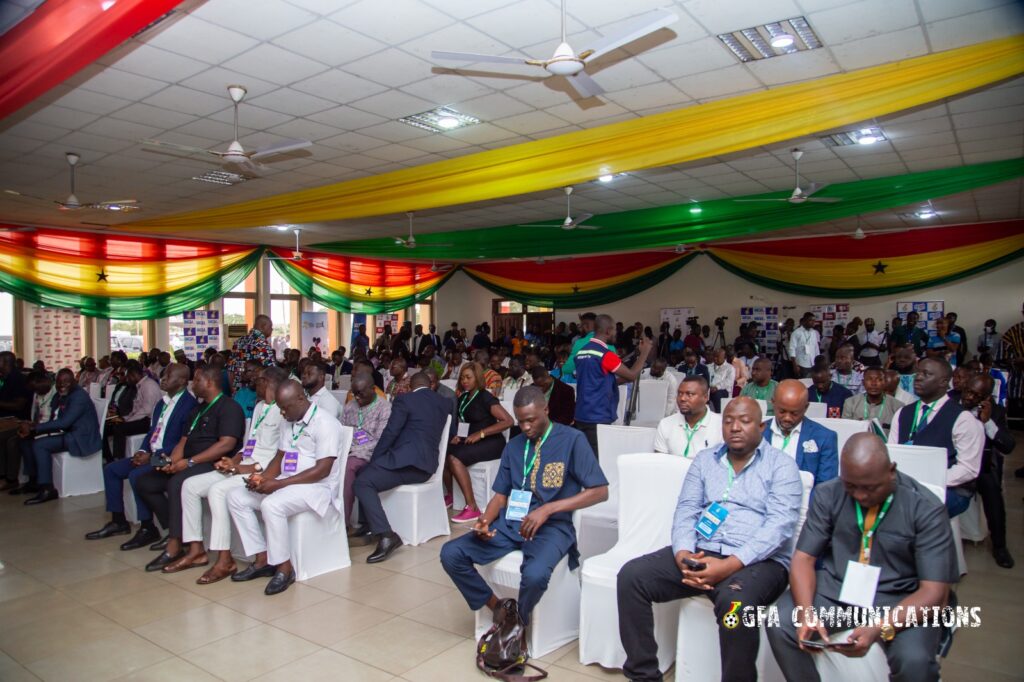 will once again head to the polls to elect its next president and executive council. On the surface, it may appear to be just another football election- a routine administrative exercise to fill vacant seats. In reality, it is far more than that. The next GFA elections could well become one of the most consequential moments in the recent history of Ghanaian football.
For decades, football has been more than just a sport in this country; it is a cornerstone of our national identity. It has united us in moments of pure joy, offered solace during difficult times, and provided countless young people with a glimmer of hope for a better future. Yet today, despite an abundance of raw talent and the unwavering passion of our supporters, Ghanaian football finds itself searching for direction. The debate surrounding the next election should therefore not centre on personalities, regional affiliations, or campaign slogans. It must be about one simple, fundamental question: what kind of football nation does Ghana want to become?
To fairly answer that question, we must objectively acknowledge the work that has been done under the current GFA administration led by Kurt Edwin Simeon-Okraku. When his administration took office, Ghana football was still reeling from the devastating effects of the 2018 corruption scandal that shook the foundations of the game. Restoring credibility, rebuilding public confidence, and putting new structures in place were never going to be straightforward tasks.
Over the past few years, the GFA has introduced several initiatives aimed at strengthening football development from the ground up. The catch them young initiative was launched to identify and train the next generation of referees, addressing a critical gap in officiating standards. The football4girls initiative has sought to increase female participation in the sport while promoting gender inclusion across the country. Furthermore, the KGL foundation inter-regional U17 colts championship has created a vital platform for talented youngsters from every region to compete on a national stage, helping scouts and clubs discover future stars. Additionally, the futsal league, involving sixteen clubs competing across zonal divisions, was established with the ambition of expanding youth football and improving the overall ecosystem.
These are meaningful initiatives. They represent a clear understanding that sustainable football success begins with investment at the grassroots rather than focusing solely on the senior national teams. However, football is, above all, a results-driven business. Development programmes are important, but they cannot exist in isolation from what happens on the pitch.
This is where the conversation becomes uncomfortable for many Ghanaians. Despite the structural reforms and developmental initiatives, the performances of Ghana's national teams have continued to disappoint. The Black Stars have struggled to meet expectations at major tournaments, while youth teams that once dominated African football have failed to consistently compete with the continent's elite. Even Ghanaian clubs no longer enjoy the same influence in CAF competitions that they once did. For many supporters, the gap between investment and results continues to widen, fuelling legitimate calls for change.
These concerns extend beyond the national teams to the domestic game itself. The Ghana Premier League has struggled to recapture the excitement that once surrounded it. Attendance at many match venues remains inconsistent, and corporate investment has not matched the league's potential. Perhaps most significantly, the competition still lacks a long-term headline sponsor. That is a worrying reality. Modern football is driven by commercial strength as much as sporting success. Without sustainable sponsorship, clubs struggle financially, player welfare suffers, marketing opportunities diminish, and overall competitiveness declines. If Ghana football is serious about reclaiming its status as one of Africa's leading football nations, the local league must become a product that businesses genuinely want to invest in.
Infrastructure remains another major obstacle. Football cannot thrive without quality playing surfaces, modern stadiums, and proper training facilities. Across the country, too many clubs continue to play on poor pitches, several facilities require major renovation, and community football infrastructure remains inadequate. These are problems that extend beyond the responsibilities of the Football Association alone. This is where the state must begin to play a more active role.
For too long, the government has largely watched from the sidelines while expecting football administrators to solve structural challenges that require national investment. That approach is no longer sustainable. Government involvement should never mean political interference in football administration. FIFA's statutes rightly protect the independence of football associations. But there is a clear difference between interference and partnership. The government has a critical role to play in developing sports infrastructure, improving stadium facilities, strengthening school sports, supporting sports science, and creating policies that make football economically attractive. Around the world, countries that have transformed their football fortunes have done so through strong collaboration between football authorities and the state. Ghana should be no different.
Perhaps the biggest question facing whoever leads the GFA after the next election is one of vision. Where exactly is Ghana football heading? Every successful football nation has a clearly defined philosophy that shapes player development, coaching education, youth football, and national team identity. Spain has one. Germany has one. Japan has one. Morocco has one. Ghana, however, still appears to lack a comprehensive long-term football blueprint that survives changes in administration. That must become a priority.
The next GFA leadership should not simply promise change, it should present a measurable strategy with clearly defined objectives for youth development, women's football, coaching education, infrastructure, commercial growth, club licensing, and national team performance. Football administration must increasingly be judged not by speeches, but by outcomes.
As the 2027 elections draw closer, delegates have a responsibility that extends beyond selecting the next president. They must ask difficult but necessary questions: What is the long-term vision for Ghana football? How will the domestic league become commercially sustainable? How will youth development be strengthened? How will clubs become financially healthier? How will coaching standards improve? And how will Ghana consistently compete for major honours again? These questions matter far more than campaign slogans or political alliances.
Ultimately, the next GFA elections should not become a referendum on one individual. Whether Kurt Okraku seeks another term or a new candidate emerges, the focus must remain firmly on what is best for Ghana football. The conversation must shift from personalities to policies, from promises to performance, and from short-term thinking to long-term planning.
Because the truth is simple: Ghana does not lack football talent. It does not lack passionate supporters. It does not lack history. What it has lacked is consistency, strategic direction, and an ecosystem capable of converting enormous potential into sustained success. The next GFA elections present an opportunity to reset that trajectory. If approached with vision, transparency, and accountability, they could mark the beginning of a new era for Ghana football. If reduced to another contest of personalities, little will change.
For a nation whose football legacy deserves far better than its current reality, the stakes could not be higher. In 2027, delegates will not simply elect a football president; they will choose the direction of Ghana football for years to come. The future of the game depends on getting that decision right.
By: Addy Kennedy Edem
0 Comments