Ghana plans to introduce coding, artificial intelligence and technical and vocational education and training into its basic school curriculum as part of a drive to prepare pupils for a digital future.
Education Minister Haruna Iddrisu said the revised curriculum, developed by the National Council for Curriculum and Assessment, will run from kindergarten to junior high school and is intended to give learners practical, technical and digital skills.
He said the changes will also include electronics and robotics to strengthen STEM education and encourage innovation among young learners.
But the government’s plans have also drawn attention to long-standing gaps in schools, including poor internet connectivity, limited access to digital devices and weak infrastructure in many parts of the country.
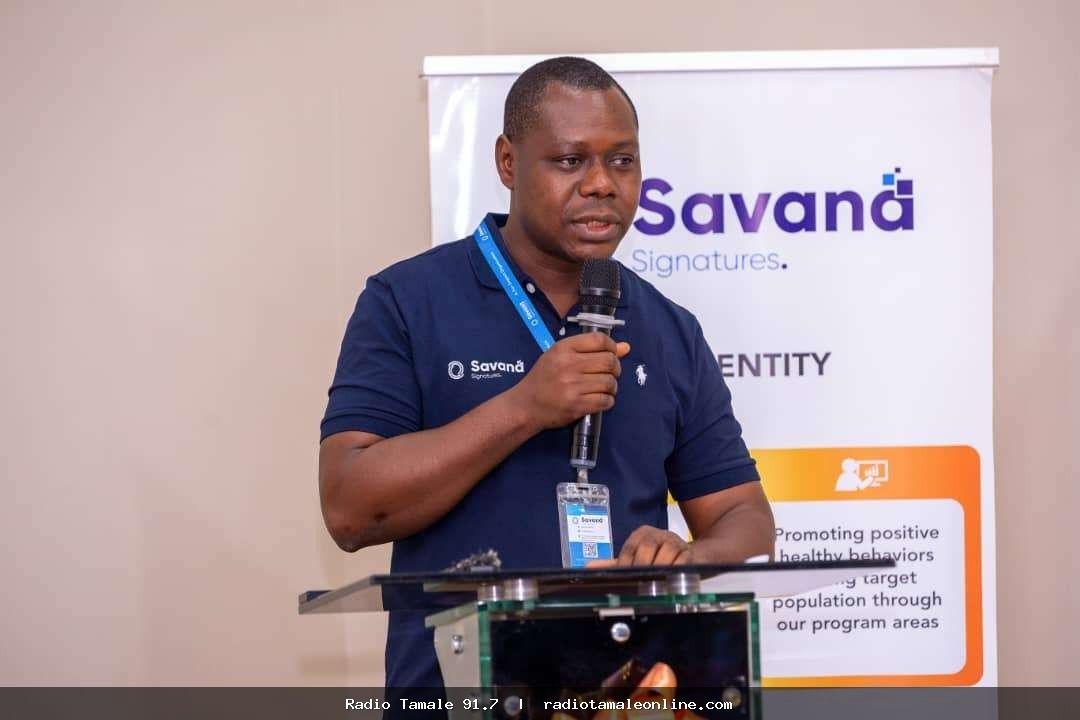
Speaking on Wake Up Tamale on Radio Tamale, Dr Stephen Agbenyo, Executive Director of Savana Signatures, welcomed the move but said Ghana has heard similar promises before. He noted that ICT-focused education reforms date back to earlier administrations, including that of former President John Agyekum Kufuor.
"There is already a wide gap in the education sector. There are students who are studying under trees and do not have access to infrastructure such as classrooms, electricity or computers. They are supposed to be given the basics of computing before rolling out more of these good initiatives".
Dr Agbenyo said the challenge is not announcing new policies but carrying them through effectively. He said the success of the reform will depend on implementation, teacher preparation and investment in school infrastructure.
He warned that without better internet access, more devices and improved facilities, the policy could fail to reach many learners, especially in underserved communities.
The minister has said the revised curriculum will be rolled out only after the required approvals, training and materials are in place. The government says the reform is aimed at preparing Ghanaian students for future jobs and helping them compete in the global digital economy.
By Mariam Alhassan











0 Comments