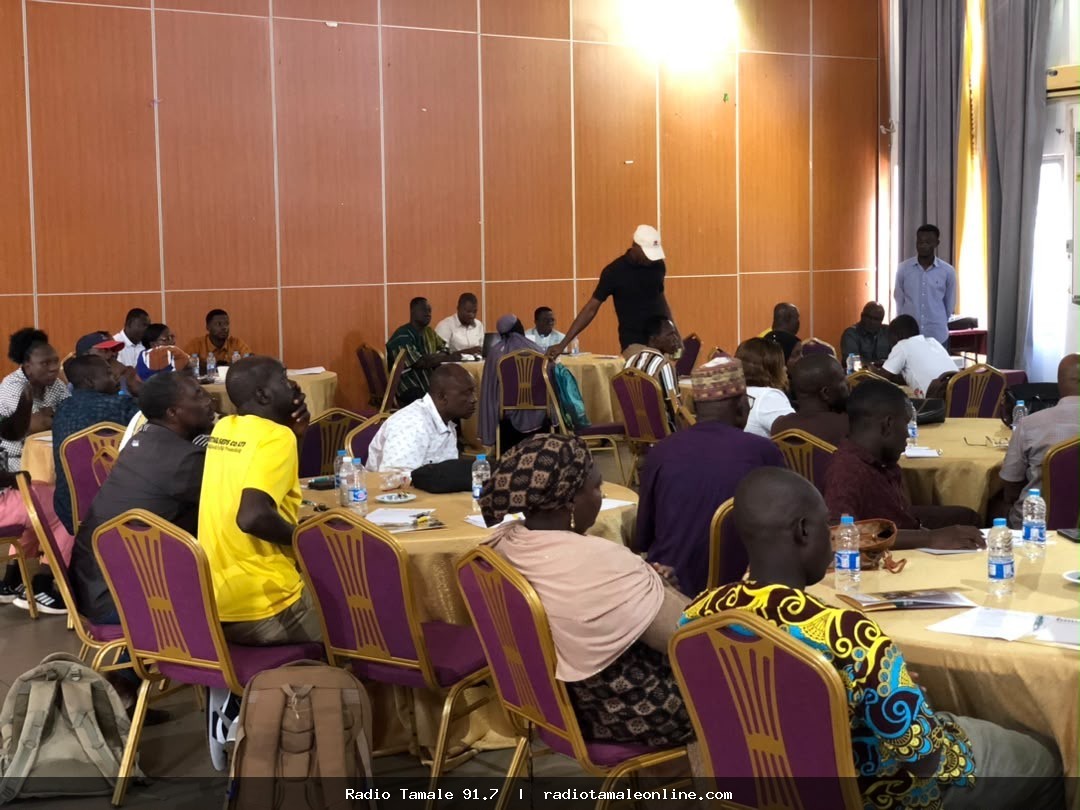
Tamale, Northern Region - The National Seed Council has convened a significant stakeholder engagement in the Northern Region to address critical issues impacting Ghana’s seed industry and to develop strategies for sustainable growth. The event took place at Modern City in Tamale and was attended by representatives from the Northern Seed Growers Association, scientists, foundation seed producers, and other key sector players.
During the gathering, Alhaji Abubakari Abdul Mumin, the Board Chair of the National Seed Council, underscored the importance of direct stakeholder interaction to gain a clearer understanding of the industry's challenges. He emphasized that the primary concern of the Agriculture Minister is to strengthen the seed sector, highlighting that seed quality and availability are fundamental to agricultural success.
The Board Chair identified several major issues facing the industry, including the infiltration of fake seeds into the market, which undermines crop yields and farmers’ confidence. He explained that accredited seeds are registered and traceable through research institutions, making it easier to identify uncertified, counterfeit seeds that often do not germinate or produce expected yields.

The challenge of limited access to essential farm inputs, such as fertilizers, was also highlighted as a barrier to increased productivity. Additionally, the slow pace of releasing new and improved seed varieties hampers the multiplication process and discourages farmers from adopting innovative solutions.
Concerns were raised over the importation of foreign seeds through government channels, which some stakeholders believe detracts from supporting local seed producers. Farmers’ difficulty in accessing ready markets for their seed products was another critical issue, affecting profitability and industry sustainability across the region.
In response to these challenges, the Board Chair announced plans to leverage technology by introducing a seed traceability system. This system aims to track seed origin and quality, thereby combating counterfeit seeds and ensuring industry integrity. Such an initiative is expected to build greater confidence among farmers and stakeholders in the seed supply chain.
Stakeholders also shared their perspectives on revitalizing the seed sector. Mr. Wilson Dogbe, Ghana’s leading rice foundation seed producer and CEO of ESAFIT Business Ventures, explained that the seed value chain is collapsing due to a grain glut caused by low food inflation and high cereal imports. He noted that grain farmers are reluctant to purchase certified seeds because of the lack of a functioning market, which in turn affects seed multiplication and distribution.

To address this, Mr. Dogbe proposed re-engineering the “Feed Ghana Programme” to prioritize local seed producers. He urged the government to purchase seeds directly from seed producer associations, a move that could increase productivity, raise farmers’ incomes, and strengthen the entire seed value chain.
Alhaji Abubakari assured stakeholders that the Council would review all concerns raised during the engagement and work within existing seed laws to protect the industry and uphold seed quality standards. He emphasized that this stakeholder dialogue was a vital step toward fostering collaboration among industry players to revitalize Ghana’s seed sector.
The overarching goal is to enhance food security, support local farmers, and stimulate economic growth within the agricultural sector across the Northern Region and beyond.
By Mahamudu Musah













0 Comments