
Nutritionist Professor Anna Lartey has raised concerns over Ghana’s food insecurity and nutrition challenges, revealing that 65% of Ghanaians cannot afford a healthy diet, while 43.5% experience moderate to severe food insecurity.
She warned that poor diet quality was undermining nutrition, school performance, productivity and long-term economic growth, calling for urgent reforms to make nutritious food more accessible and affordable.
Speaking at the 2026 World Food Day commemoration in Accra, she called for urgent reforms to Ghana’s food systems, with particular attention to the affordability of nutritious food and the challenges facing rural communities.
Prof. Lartey said rural populations continued to bear a greater burden of food insecurity, while the inability of many households to afford healthy diets posed a significant challenge to improving nutrition outcomes.
“The diet quality still remains a concern. We are failing not only on our nutrition, but we are also undermining school performance, productivity, and long-term economic growth,” she cautioned.
She urged the government to translate Ghana’s commitments under the 2021 United Nations Food Systems Summit into practical interventions to improve food security and nutrition.
Among the measures she outlined were the development of food-based dietary guidelines to promote healthy eating, increased production of fruits and vegetables, and efforts to reduce food losses.
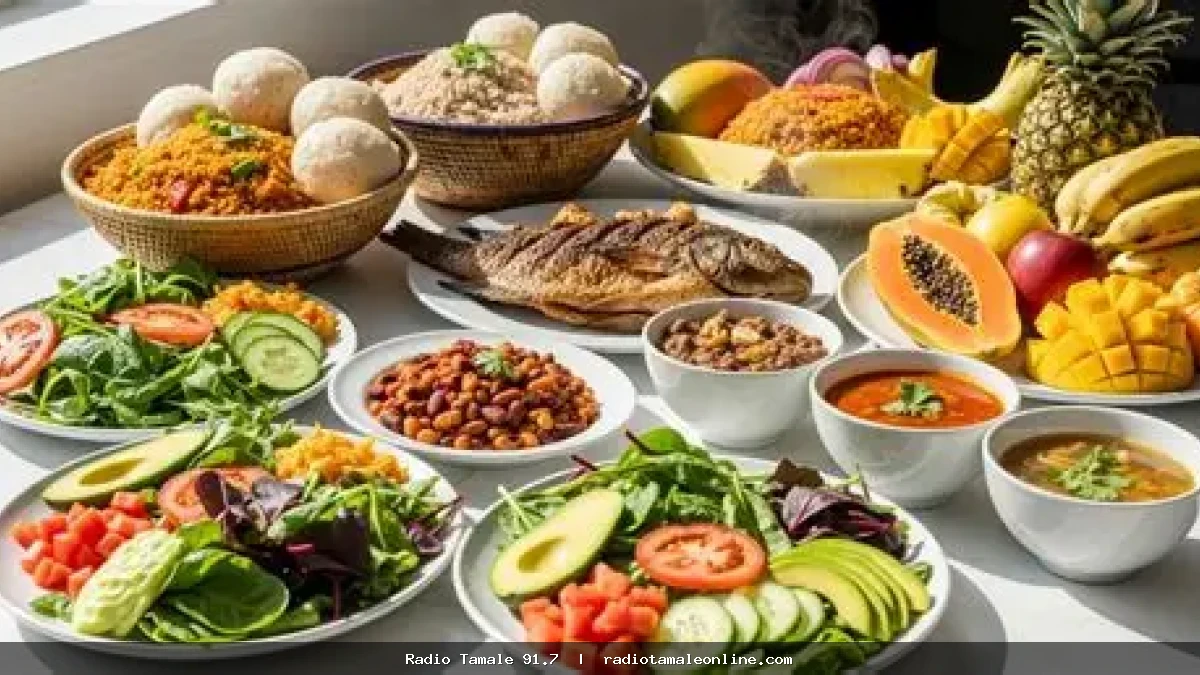
Prof. Lartey also called for greater investment in indigenous foods, urging the government and relevant stakeholders to promote their cultivation and consumption.
She described indigenous foods as nutritious, affordable and resilient to climate change, arguing that greater reliance on them could help improve access to healthy diets.
She further stressed the need for research and innovation to address food waste, particularly when nutritious food is discarded while vulnerable households struggle to meet their dietary needs.
“A system that discards nutritious food while farmers and children’s families go hungry is a broken system,” she stated.
An official of the United Nations Food and Agriculture Organisation (FAO), Ayman Omer, said the organisation was working with Ghanaian authorities to address challenges affecting the development of the country’s food systems.
Director of the Noguchi Memorial Institute for Medical Research, Professor Dorothy Yeboah Manu, said the institute would continue collaborating with food-related organisations to develop innovative approaches that prioritise nutrition.
Meanwhile, the UN Resident Coordinator in Ghana, Zia Choudhury, commended organisations that participated in the food exhibition for showcasing the diversity of indigenous Ghanaian foods.
The event, organised by the FAO and hosted by the Noguchi Memorial Institute for Medical Research, brought together organisations including the Ghana Food Movement, Food for All Africa, the Ghana Academy of Nutrition and Dietetics, Blue Skies and the Ghana School Feeding Programme.
Held under the theme “Innovate Today. Nourish Tomorrow,” the celebration featured a dialogue session, a cooking competition for young Ghanaian chefs, a UN leaders’ kitchen experience, and discussions on Ghanaian cuisine and sustainable agrifood systems.
Source: GNA




0 Comments