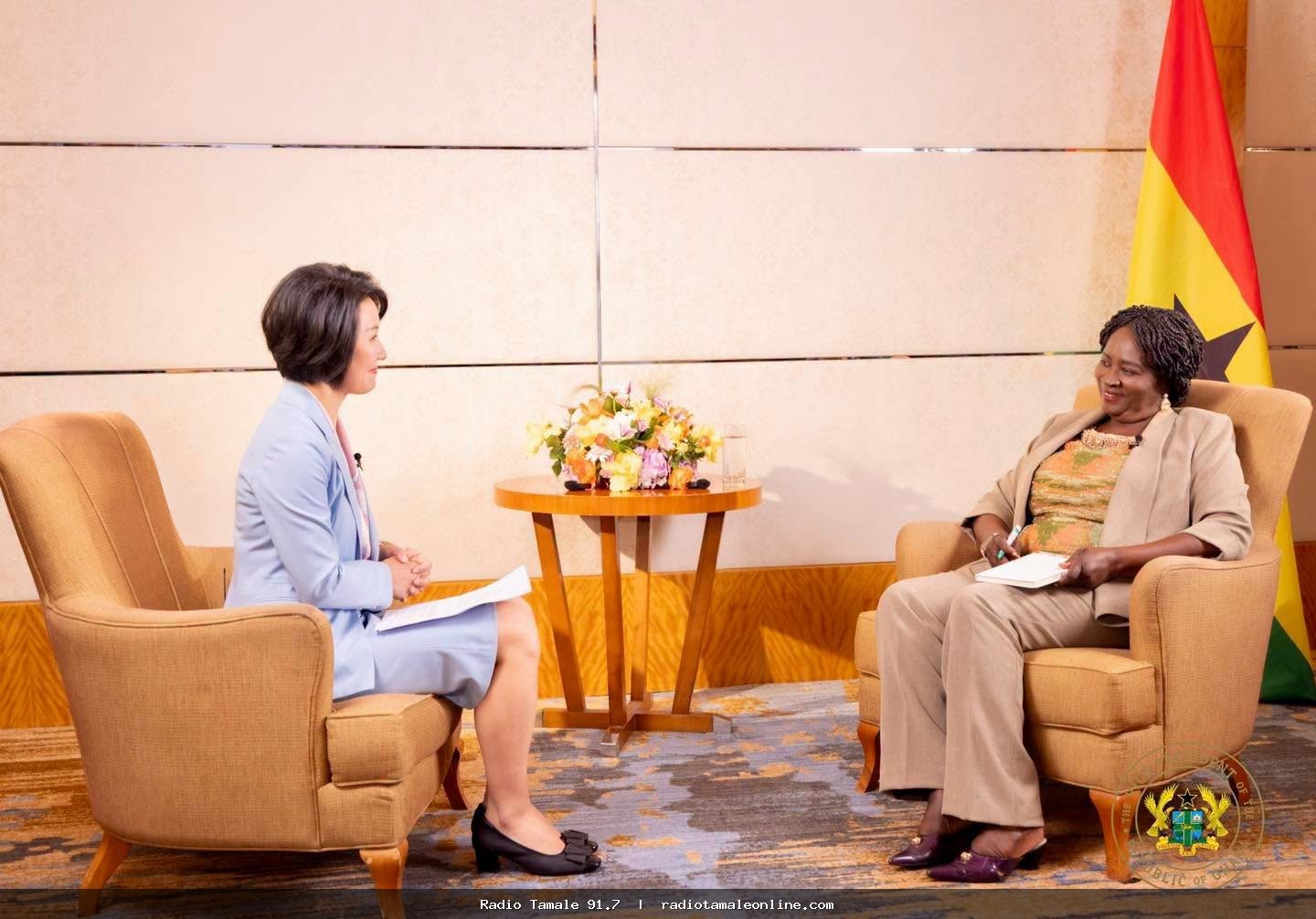
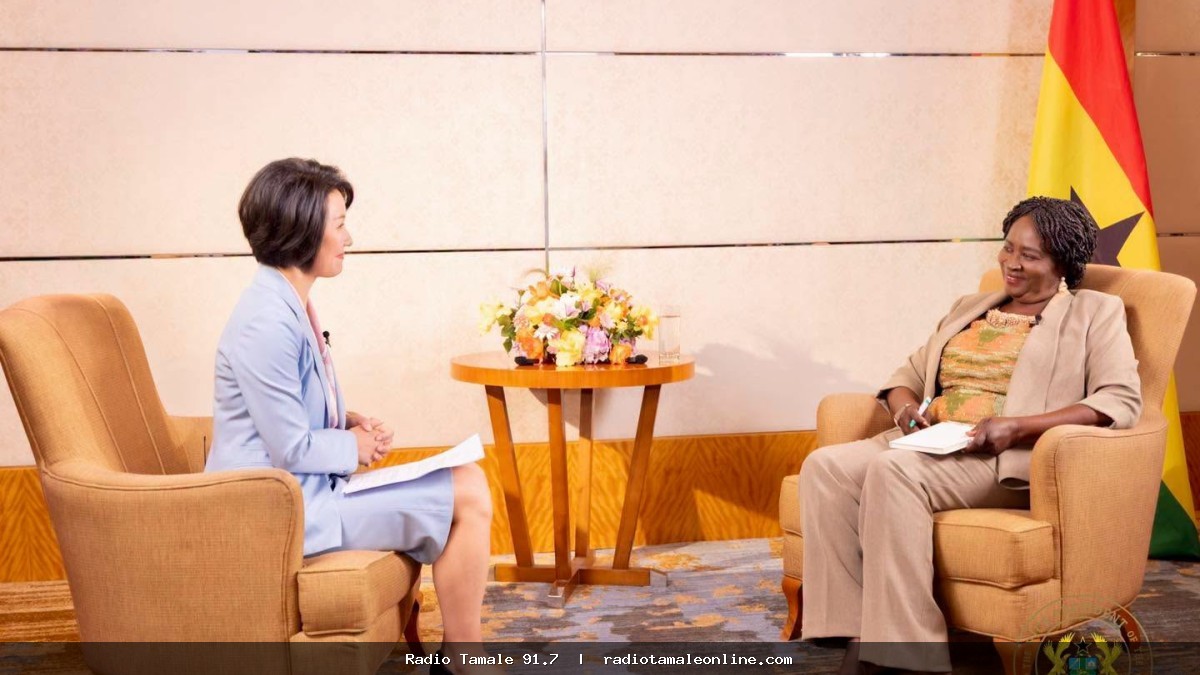
Ghana’s Vice President, Professor Jane Naana Opoku-Agyemang, has called for stronger cooperation among countries of the Global South, institutional reforms and a more equitable international order to accelerate development and address shared global challenges.
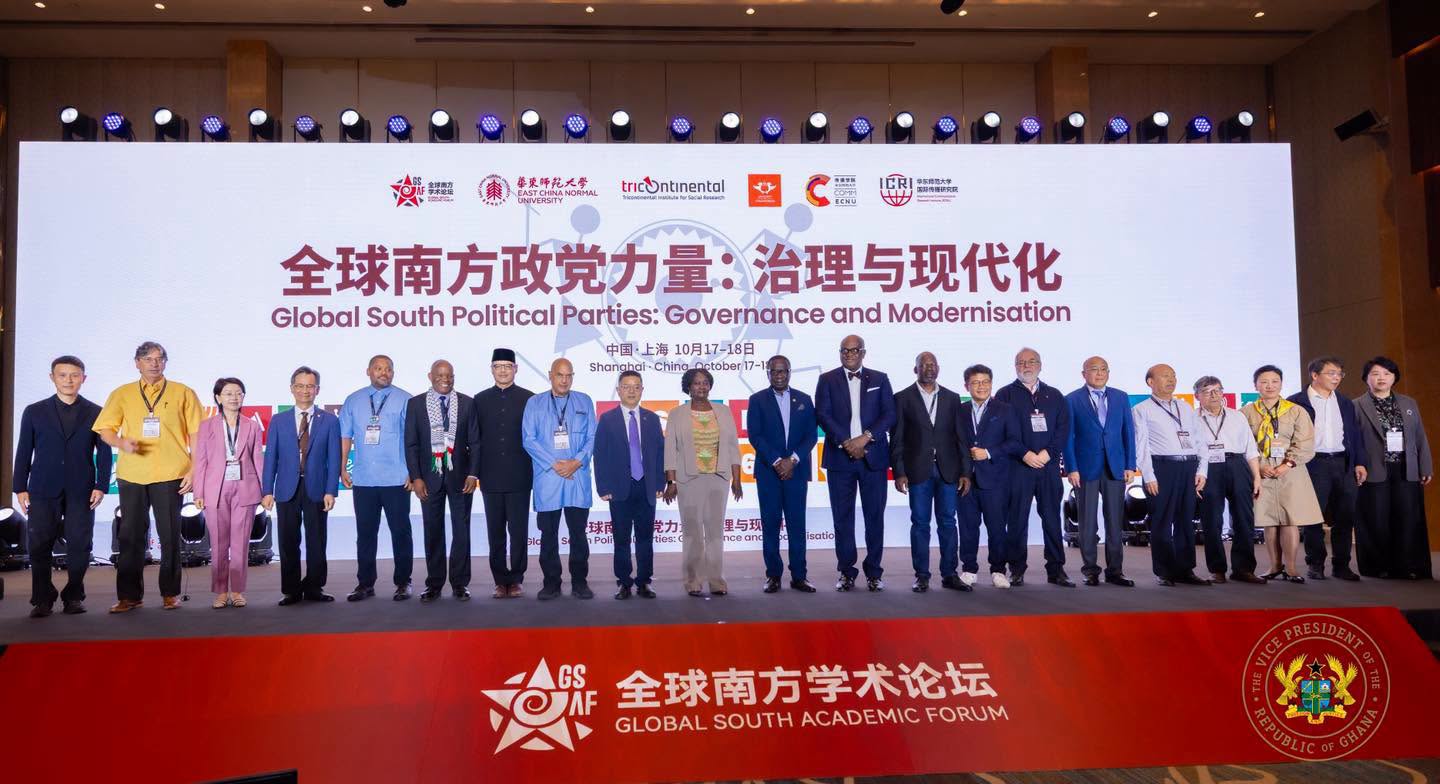
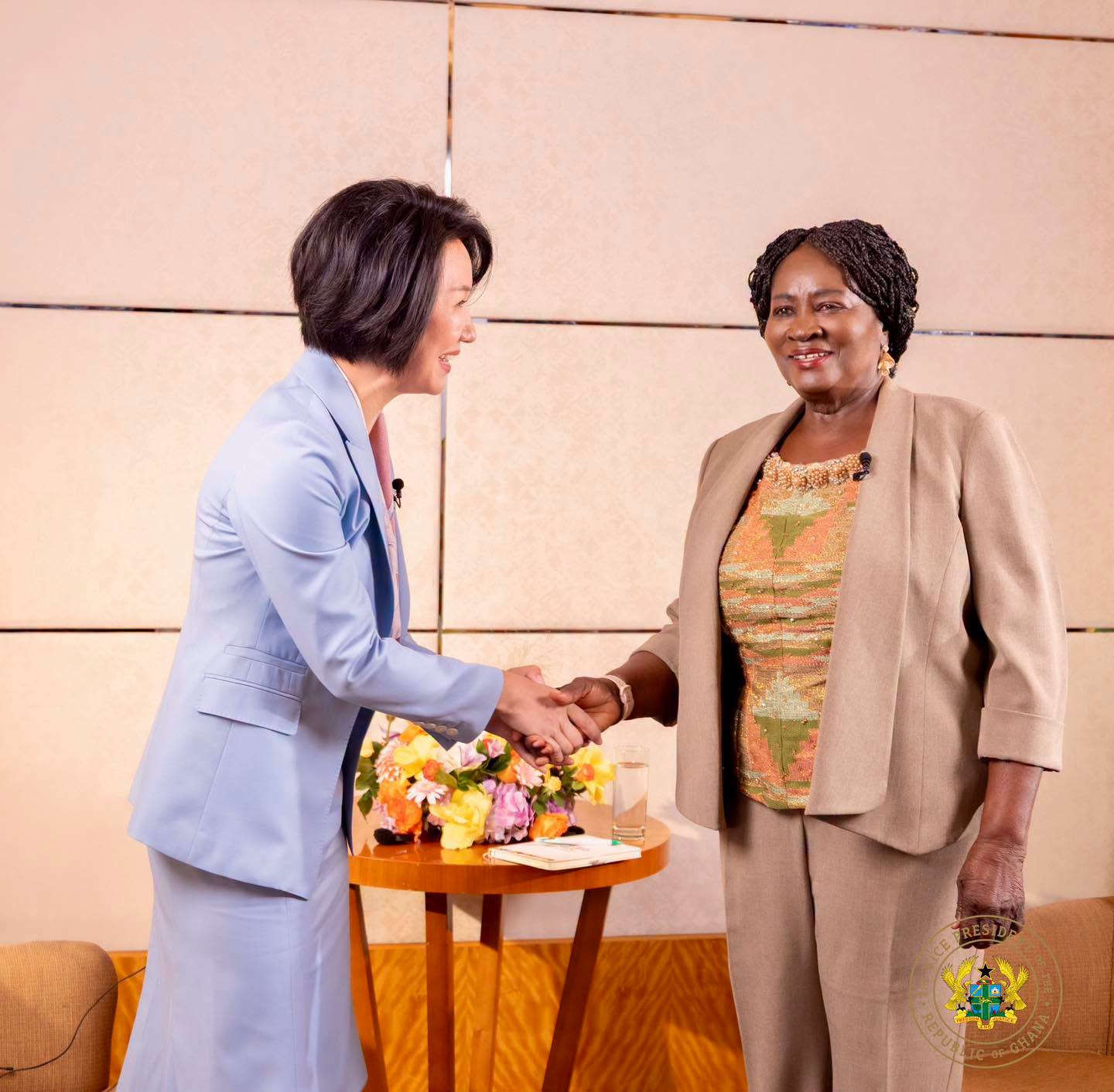
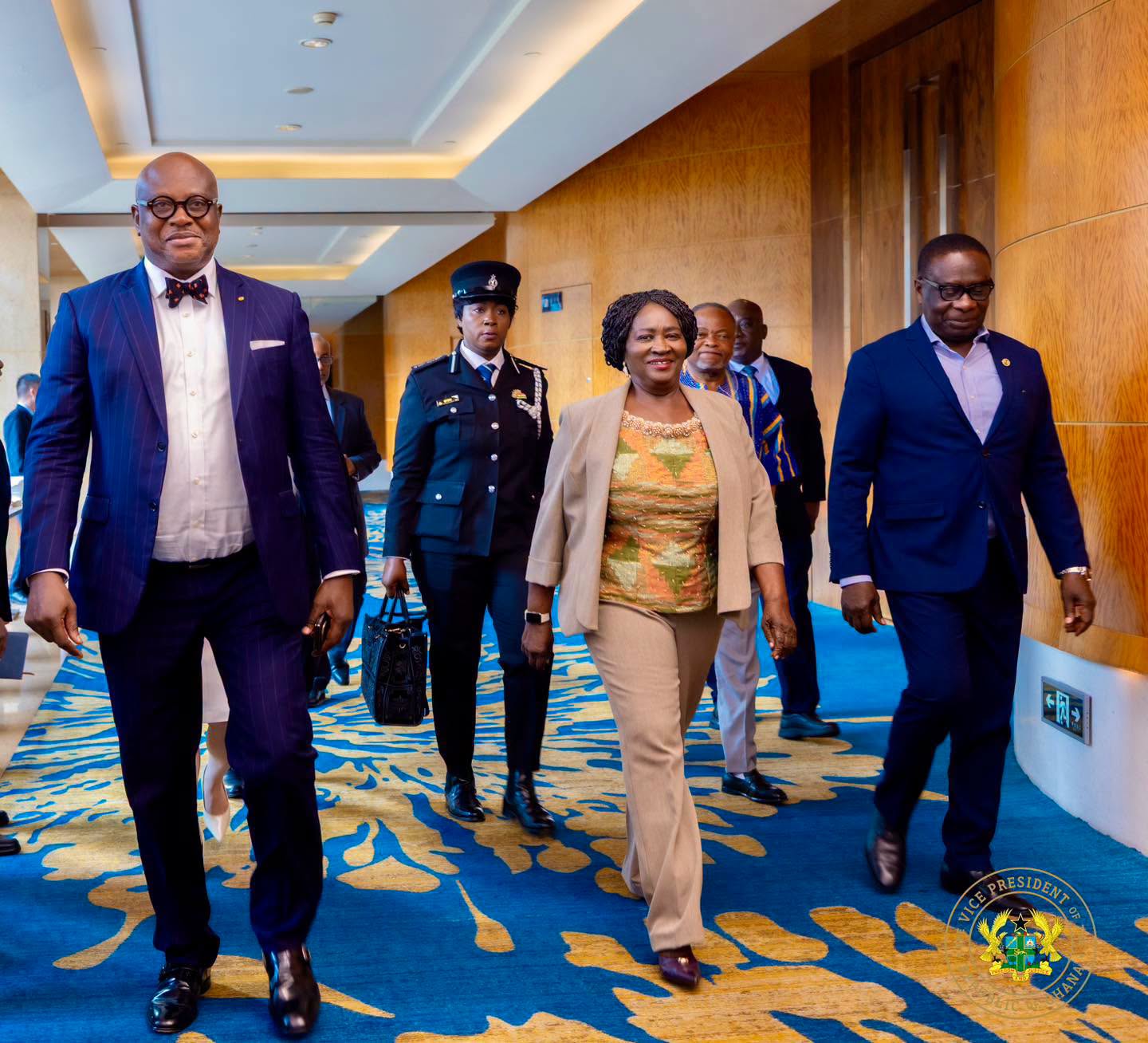
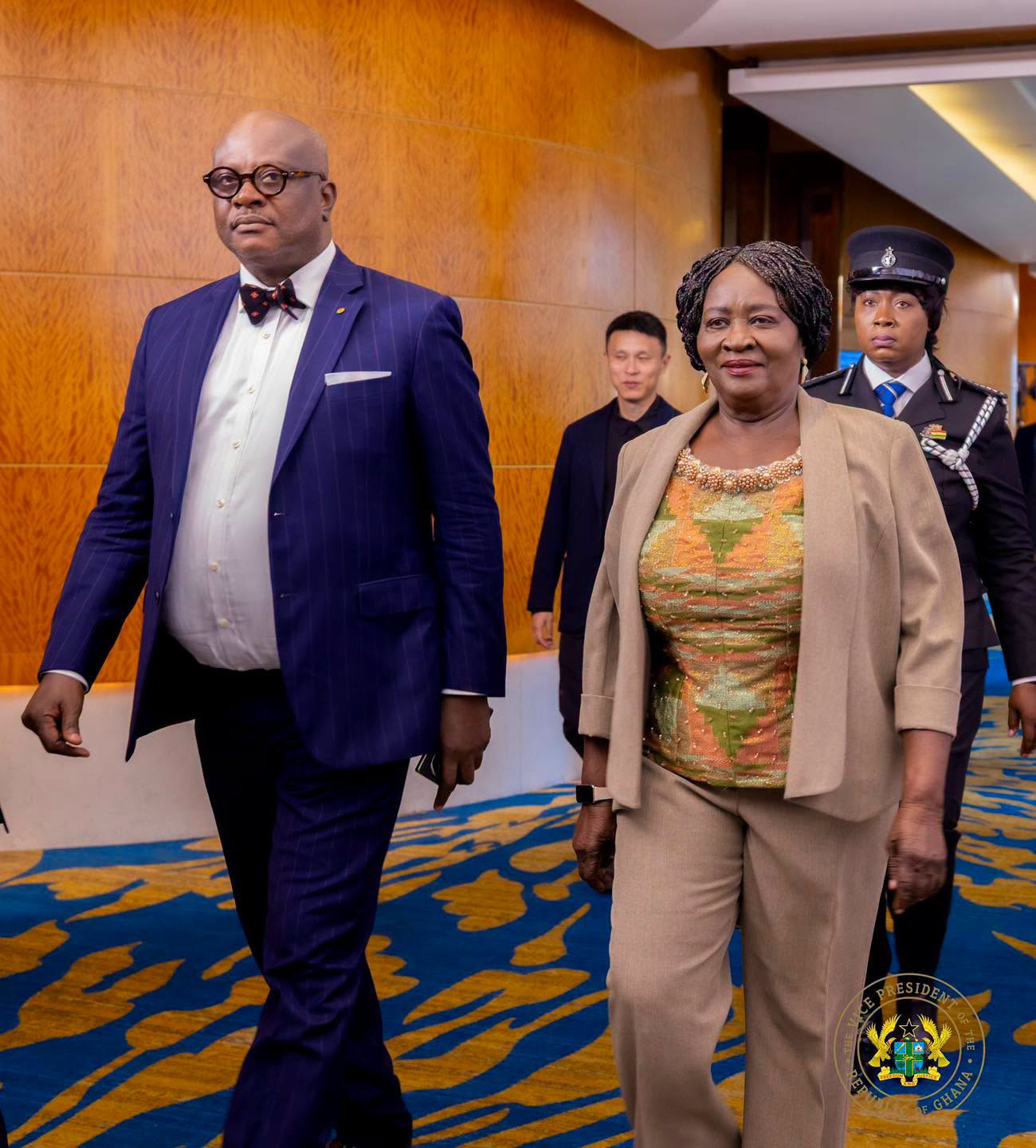
Speaking at the 2026 Global South Academic Forum in Shanghai, China, the Vice President underscored the need for developing countries to deepen partnerships, strengthen governance systems and pursue practical strategies that respond to the needs and aspirations of their populations.
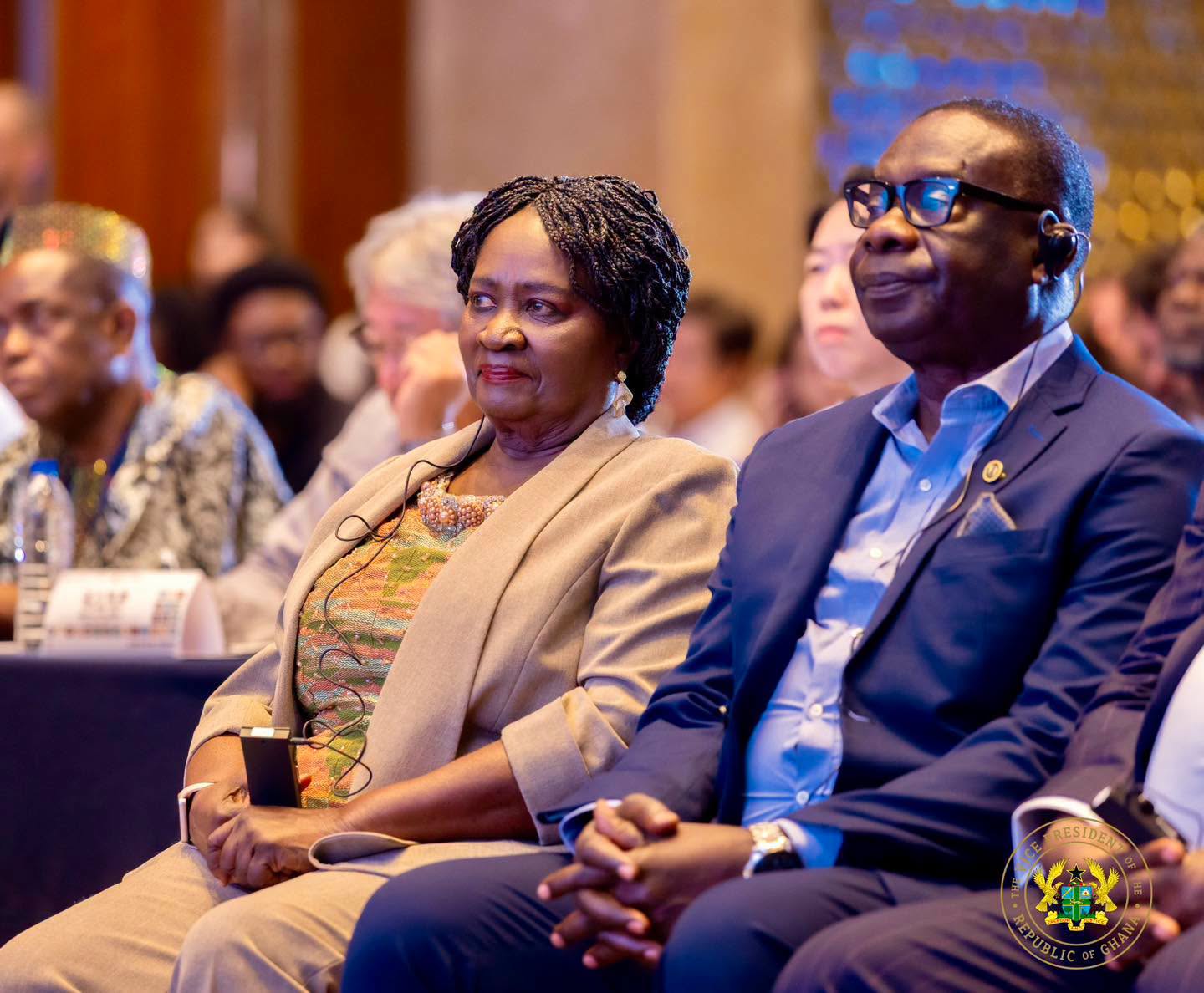
Addressing the forum on the theme, “Global South Political Parties: Governance and Modernisation,” Professor Opoku-Agyemang highlighted effective governance, industrialisation, technological innovation and research collaboration as critical drivers of sustainable development across the Global South.
She stressed the importance of South-South cooperation, urging developing nations to leverage their collective experiences, resources and expertise to address common challenges and create opportunities for inclusive economic growth.
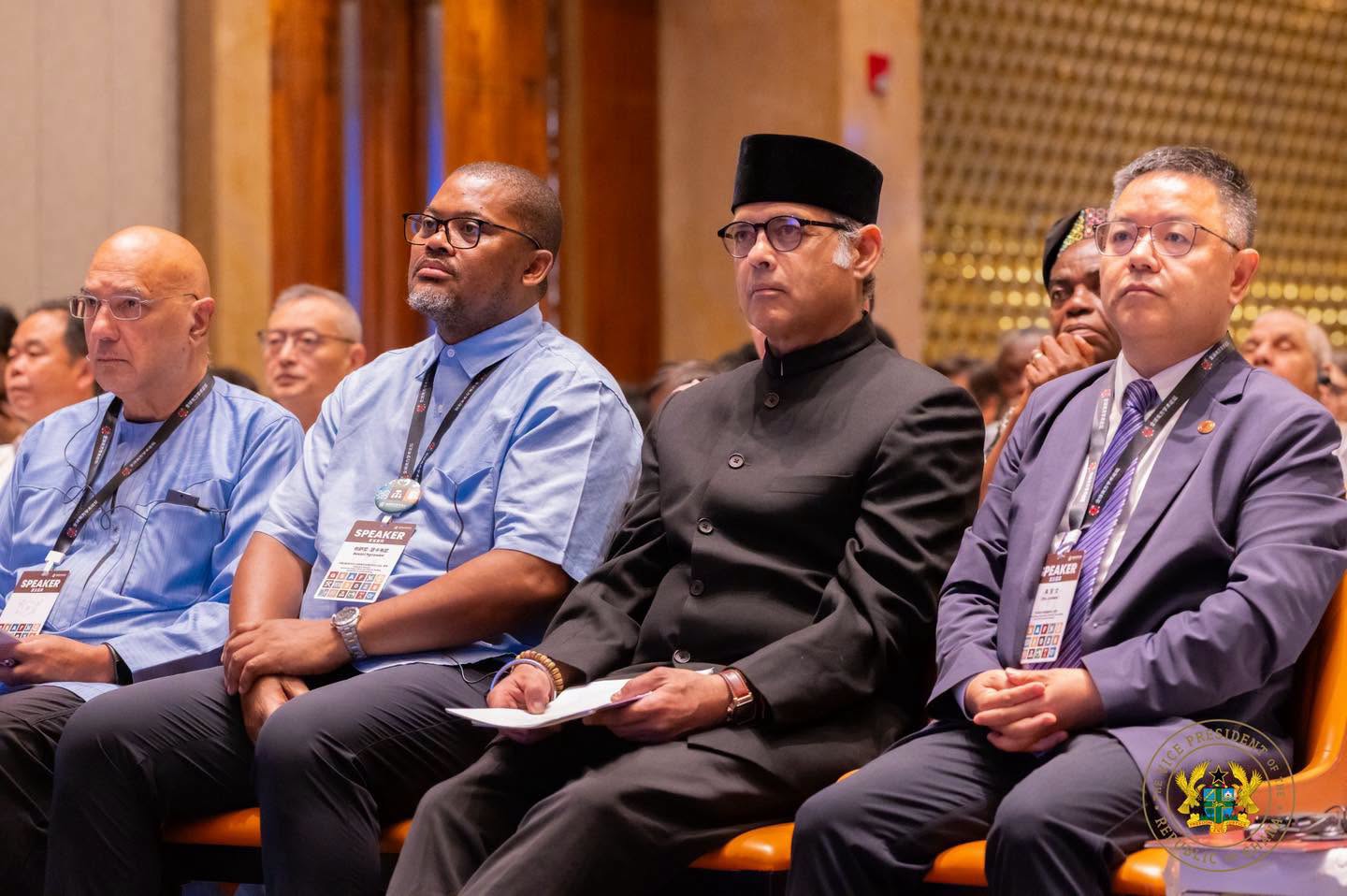
The Vice President also emphasised the need for accountable institutions and mutual learning among countries, noting the importance of strengthening governance frameworks to support development and improve the delivery of public services.
On the international front, Professor Opoku-Agyemang called for greater representation of developing countries in global decision-making processes, advocating reforms that would ensure a fairer and more inclusive international system.
She maintained that cooperation among countries of the Global South must go beyond dialogue and declarations to produce tangible outcomes that improve the living conditions of their citizens.
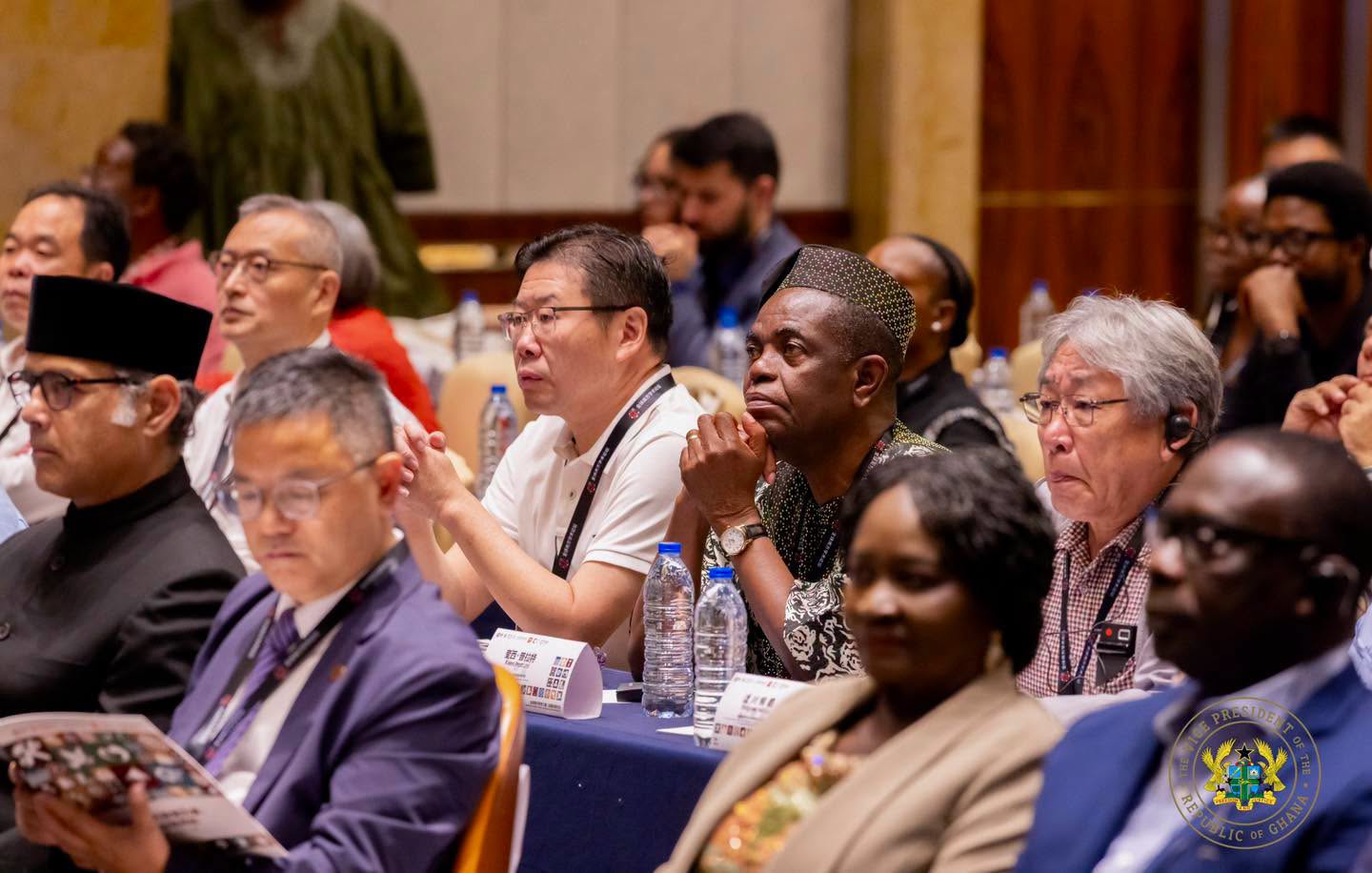
The forum provides a platform for discussions on governance, political modernisation and development cooperation among countries of the Global South, with participants examining approaches to strengthening institutions and promoting shared prosperity.
Professor Opoku-Agyemang’s address reinforces the importance of international partnerships and collective action in advancing development priorities, particularly in areas such as industrial growth, technological advancement, institutional accountability, and knowledge exchange.
Her call for stronger collaboration reflects the broader push for developing countries to play a more active role in shaping global policies and building an international order that better accommodates their interests and development needs.
Report By: Robicon Mornahson








0 Comments